

Brian Cook on Seeing Texas Land From the Ground Up
A conversation with Brian Cook on ranch brokerage, wildlife management, regional land knowledge, and what it takes to steward Texas ranches well.
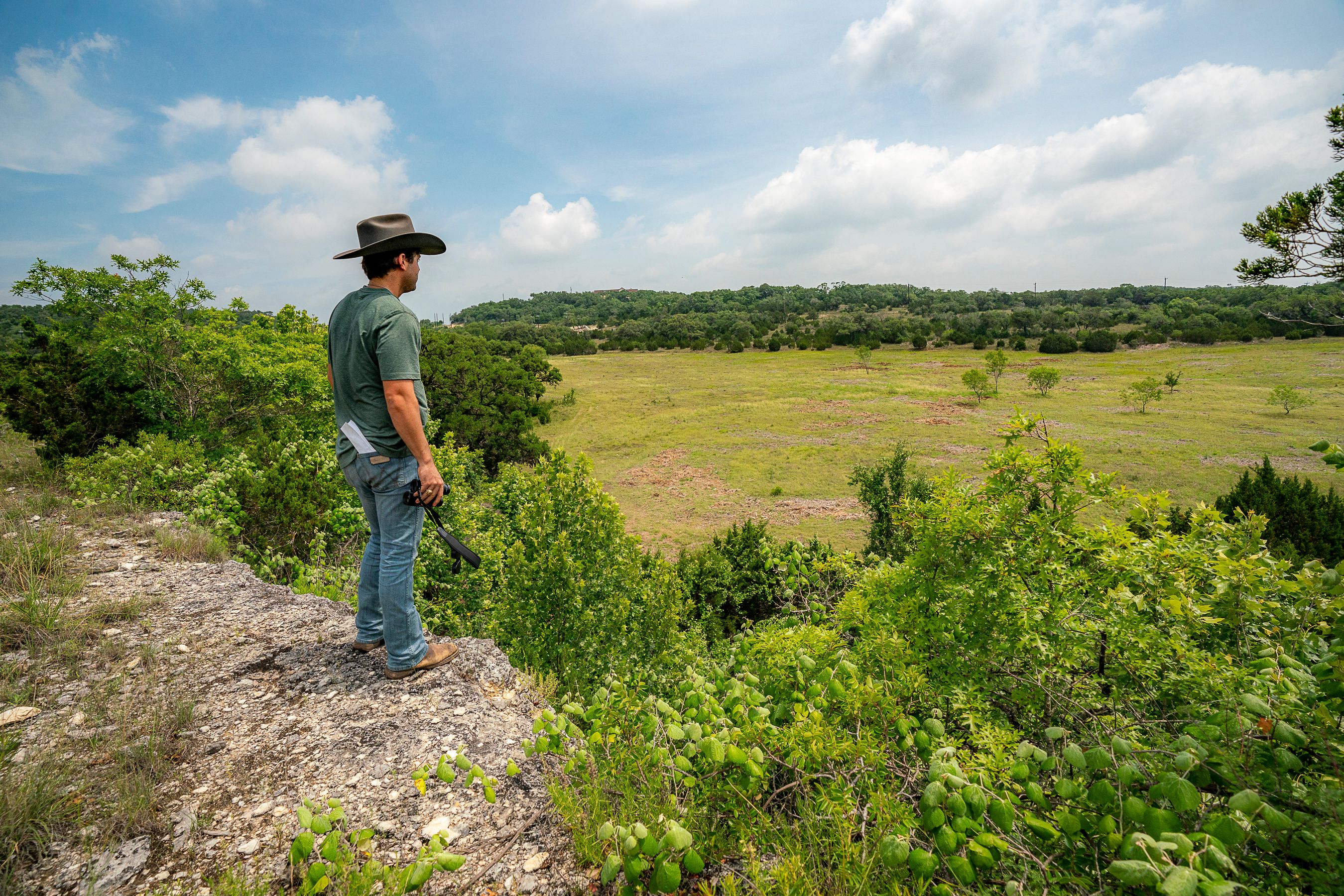
In our conversation, Brian Cook reflects on how his work as a ranch broker gives him a rare, statewide view of Texas land—one shaped long before real estate by years of hands-on wildlife and ranch management. He shares what he’s learned from seeing properties across the state up close: how different regions operate, how buyers and landowners are changing, and what it takes to steward land well in a rapidly shifting Texas.
From Wildlife Management to Ranch Brokerage
TXR: One of the things we talk about a lot at Texas Ranches is perspective—how people find land, what they notice, and how those experiences shape the way they care for it. Brian, your relationship to ranching started long before real estate. Can you share a bit about where you’re from and how you came into this work?
Brian Cook: I’m born and raised in Boerne. I grew up there and went to Texas A&M, where I graduated with a Wildlife and Fishery Sciences degree. My family has a ranch down in South Texas in Maverick County along the Rio Grande, so I grew up spending quite a bit of time down there—doing everything from guiding hunts, running the backhoe, or working cattle, and overtime creating a passion for wildlife management and ranching in general.
I worked on several other ranches throughout South Texas and the Hill Country, including in and around Boerne, and just really had a passion for ranch management, and more specifically wildlife management. I love getting to see different places in the state that most people never get to see, except from the road. I knew I wanted to do something along these lines—getting to see different properties, how people operate their ranches, what works and what doesn’t.
That’s really where the drive for ranch real estate came from—finding a way to be out on land and make my office not an office, but in the truck, driving to go see beautiful places all over the state.

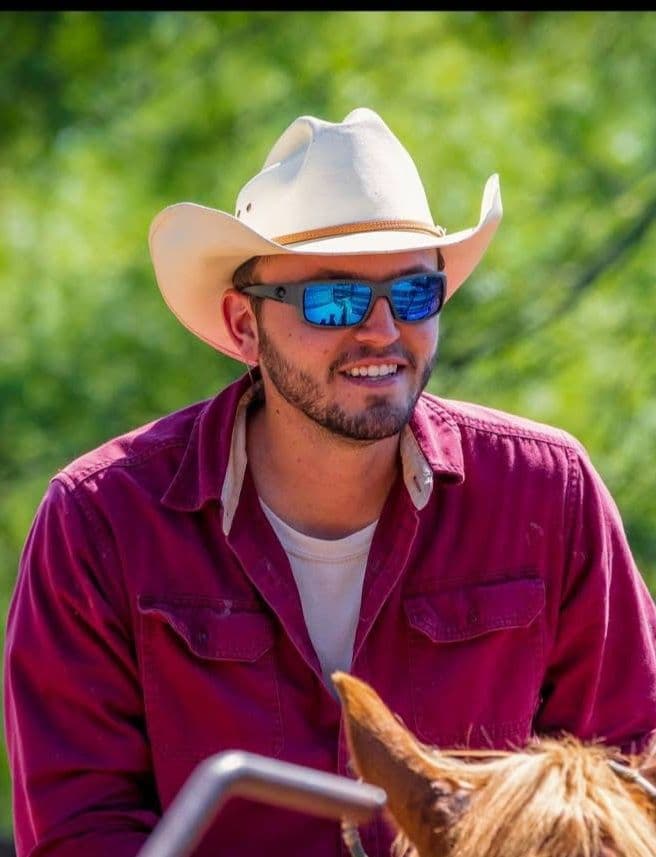
“I wanted my office to not be an office—but the truck, driving to see beautiful places all over the state.”
— Brian Cook

“I wanted my office to not be an office—but the truck, driving to see beautiful places all over the state.”
— Brian Cook
What Wildlife Management Really Means
TXR: You talk about wildlife management as both a practice and a way of seeing land. For people who may not be familiar with that term, what does it actually involve?
Brian Cook: At its core, wildlife management is about bringing out the best attributes of the land and supplementing where necessary, allowing wildlife populations to thrive.
There are different types of wildlife management depending on the region. In South Texas, it typically focuses on whitetail deer and/or quail through habitat development, feeding programs, enhanced water features, and conservation-minded hunting practices.
In the Hill Country, many of the same principles apply, though the emphasis is often on exotic species. Along the coast and into North and East Texas, the focus may shift to waterfowl, or back to quail or whitetail. In West Texas, management might be centered around mule deer.
Each region presents its own opportunities, and landowners select properties based on their specific objectives. That regional knowledge is critical, as it allows me to guide clients to the areas best suited to what they are ultimately trying to achieve with their land.
TXR: As cities expand and large tracts are broken up, what challenges are you seeing—for both landowners and wildlife?
Brian Cook: As properties get developed—turning a 100-acre ranch into ten 10-acre ranches—you see a lot more high fences go up. Instead of having one neighbor, now you have ten. That’s ten different people who all want to fill their tags. High fencing has positives and negatives; it really comes down to the landowner’s choice.
And then there’s water. Water shortages have become a real problem. When you’re looking at a ranch now, it’s not just 'does it have a well?’ It’s how deep is it, how reliable is it, and in fifteen years is it still going to be pumping? Is it still going to be a resource not just for wildlife, but for people?
Get Texas Land Alerts
Be the first to see curated land listings from across Texas.
By signing up, you agree to receive emails from Texas Ranches. This site is protected by reCAPTCHA and the Google Privacy Policy and Terms of Service apply.
Understanding Texas by Region
TXR: You work across the entire state, and Texas isn’t just big—it’s incredibly diverse. How do you think about the regions, culturally and physically?
Brian Cook: You really could break Texas down into five different states—or more. West Texas is beautiful desert country, with massive landholdings and incredible wildlife. The Hill Country has drastic topography changes, live water, springs, exotics—you never know what’s going to cross your land.
South Texas is open and brushy. You’re sitting in a blind looking down a sendero and deer just appear out of nowhere. Toward the coast, you see exceptional waterfowl habitat. And then Northeast Texas—the Piney Woods—it doesn’t even feel like Texas. In some regions, where rainfall is more prominent, more cattle operations come into play.
That’s honestly what I love most about this job. Every day looks different. I might be in South Texas one day, the Hill Country the next, then on a 30,000-acre ranch in West Texas the next. There’s always something new—things most people never get to see driving down the road.
Today’s Ranch Buyers and Landowners
TXR: We spend a lot of time talking about who today’s ranch buyers are. Has that profile shifted over the last decade?
Brian Cook: It has changed. During COVID, there was a big push—people wanted land as a place to get away. But over time, you also see that people who didn’t grow up on land don’t always understand the work it takes to manage it.
At the same time, families who’ve owned land for fifty or a hundred years are seeing younger generations less interested in spending their time there. That’s led to a lot of historic properties being sold or broken up.
There’s also a new wave of landowners—people who maybe never had access before but have always been drawn to it. For many of them, it’s less a working ranch and more a place in the country. We still call it a ranch, but it’s really about gathering, recreation, and getting the next generation outside.
TXR: That idea of continuity—of keeping land intact across generations—comes up again and again in our conversations. How do you think about that balance, especially as someone whose profession involves selling land?
Brian Cook: I sell ranches for a living, but I also understand what a generational ranch is. My grandparents began purchasing tracts of land in 1975 and continued acquiring additional acreage well into the 2000s, ultimately assembling what is now our family’s ranch. Now I’m the third generation, and my kids will be the fourth.
I want that property set up so they don’t ever have to sell. I really enjoy seeing land preserved and managed the right way so generations can enjoy it. To me, that’s the goal—taking my kids to hunt on the same property I grew up hunting on.

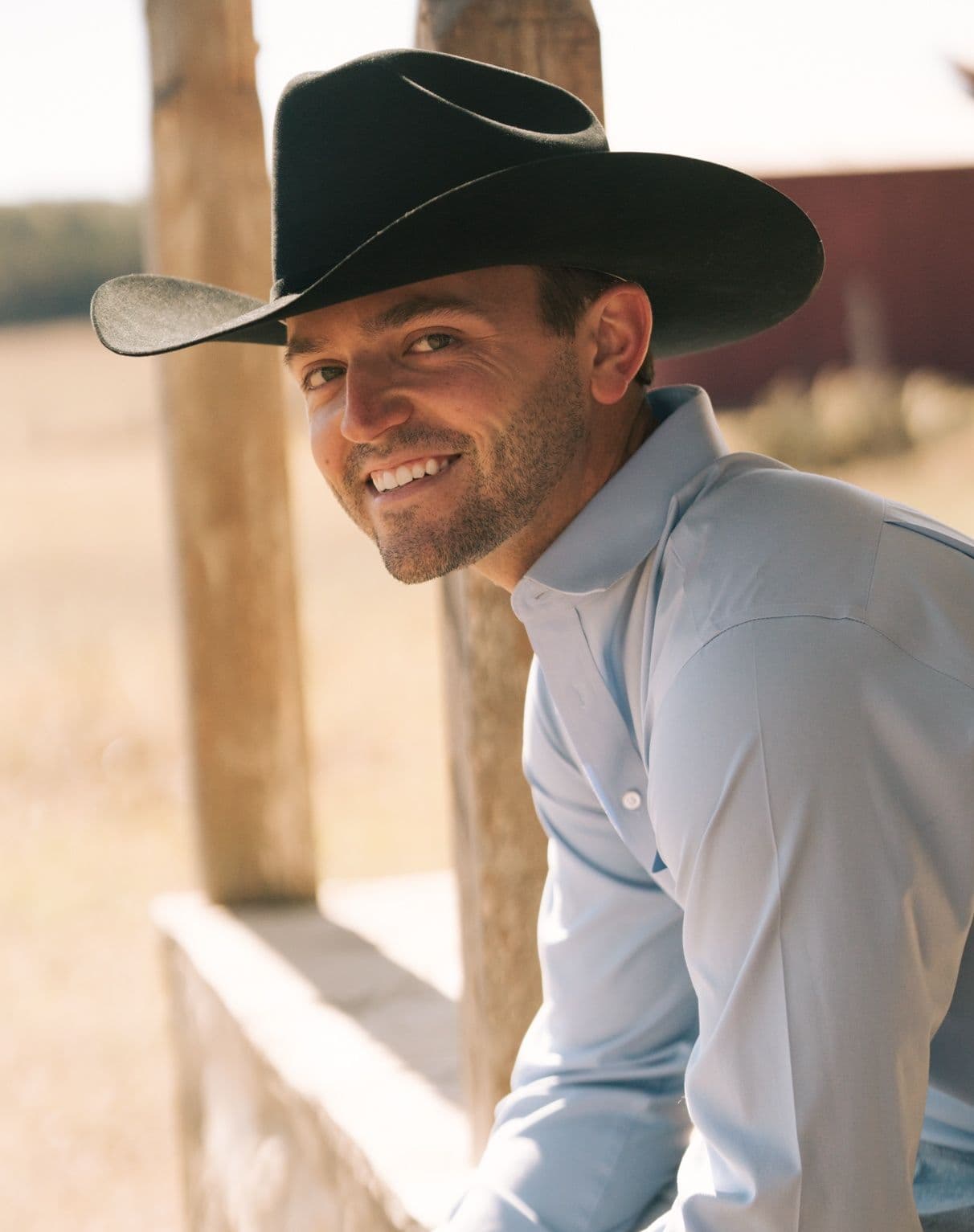

“I sell ranches for a living, but I also want to see land preserved the right way.”
— Brian Cook


“I sell ranches for a living, but I also want to see land preserved the right way.”
— Brian Cook
Why Relationships Still Matter in Ranch Country
TXR: That sense of community—neighbors talking, sharing knowledge—that’s something we’re trying to reflect through Texas Ranches as well.
Brian Cook: Absolutely. Everybody knows everybody. Texas gets real small the harder you look. In the old days, ranch managers, landowners, game wardens, they'd all get coffee at the same place every morning and worked together.
That’s the niche you’re filling—being a resource that helps people connect. Making it feel more like a family again instead of everyone just being on their phones.

Explore beyond the story
Browse listings, find businesses, or save this article for later.
 Listings
 Directory
Get the Newsletter
One reported story on Texas land, delivered free every month.
By signing up, you agree to receive emails from Texas Ranches. We never sell your address, and you can unsubscribe anytime.