

What’s at Stake When Ranches Change Hands
A conversation with experienced land broker Robert Dullnig
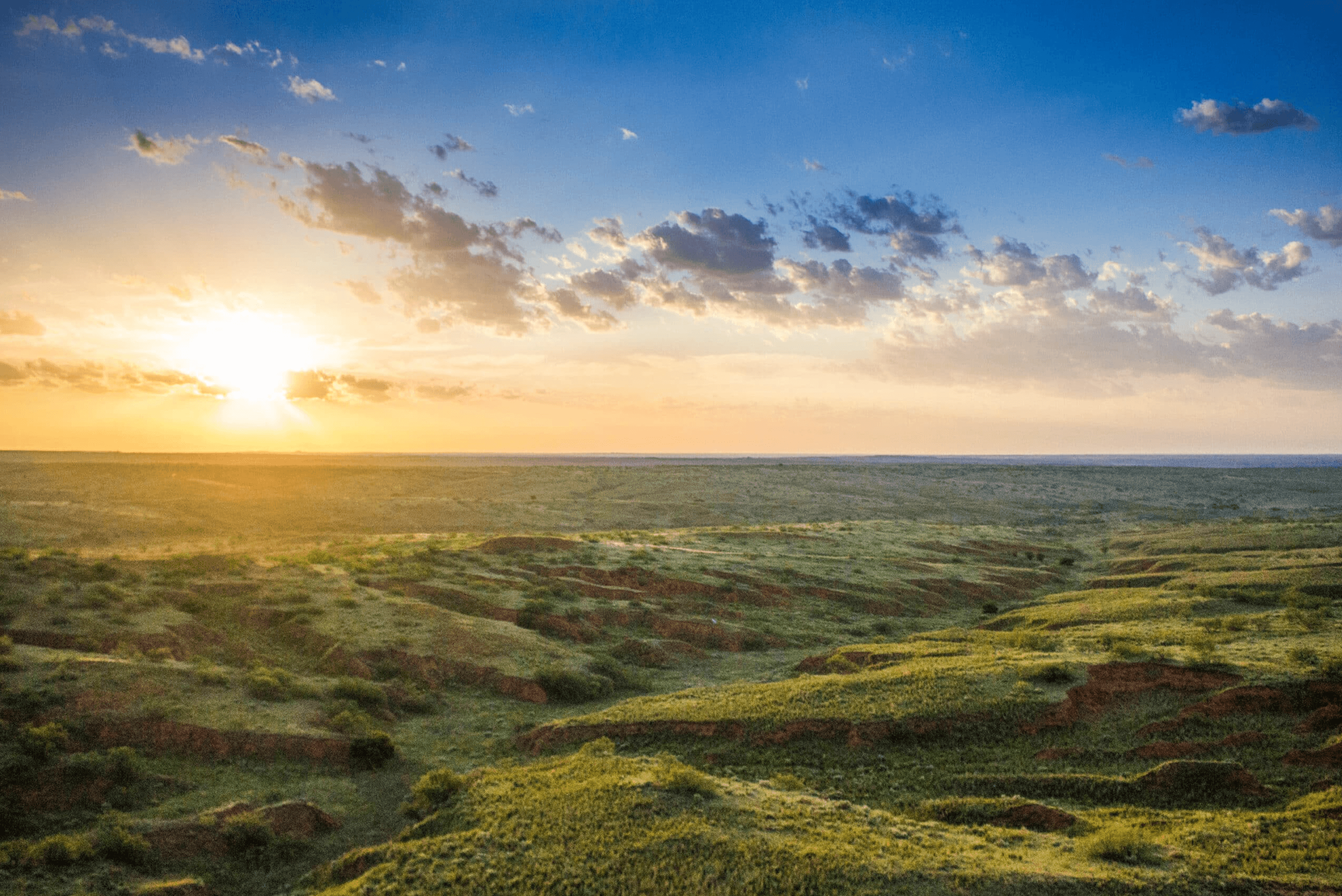
Robert Dullnig has spent much of his career working alongside Texas ranching families, and is widely respected for his long track record in ranch brokerage across the state. Through years of walking land and guiding complex transitions, he’s developed a grounded perspective on how ranches change hands—and what’s at stake when they do. In this conversation, he reflects on legacy, outside pressure, and the responsibility that comes with knowing the land over time.
TXR: Tell us a little about how you got started selling ranches…
Robert Dullnig: I’ve been in this industry nearly twenty-seven years. When I started, everything was different. We were faxing maps back and forth. Deals took time. You spent a lot more time sitting at kitchen tables, listening.
I learned early on by watching people who’d been doing it a long time. You paid attention. You didn’t talk much. You figured out pretty quickly that trust mattered more than speed.
TXR: What drew you into this work in the first place?
Robert Dullnig: Land was always part of my life. I grew up around it, and I understood early that owning land isn’t just about ownership. It’s about responsibility.
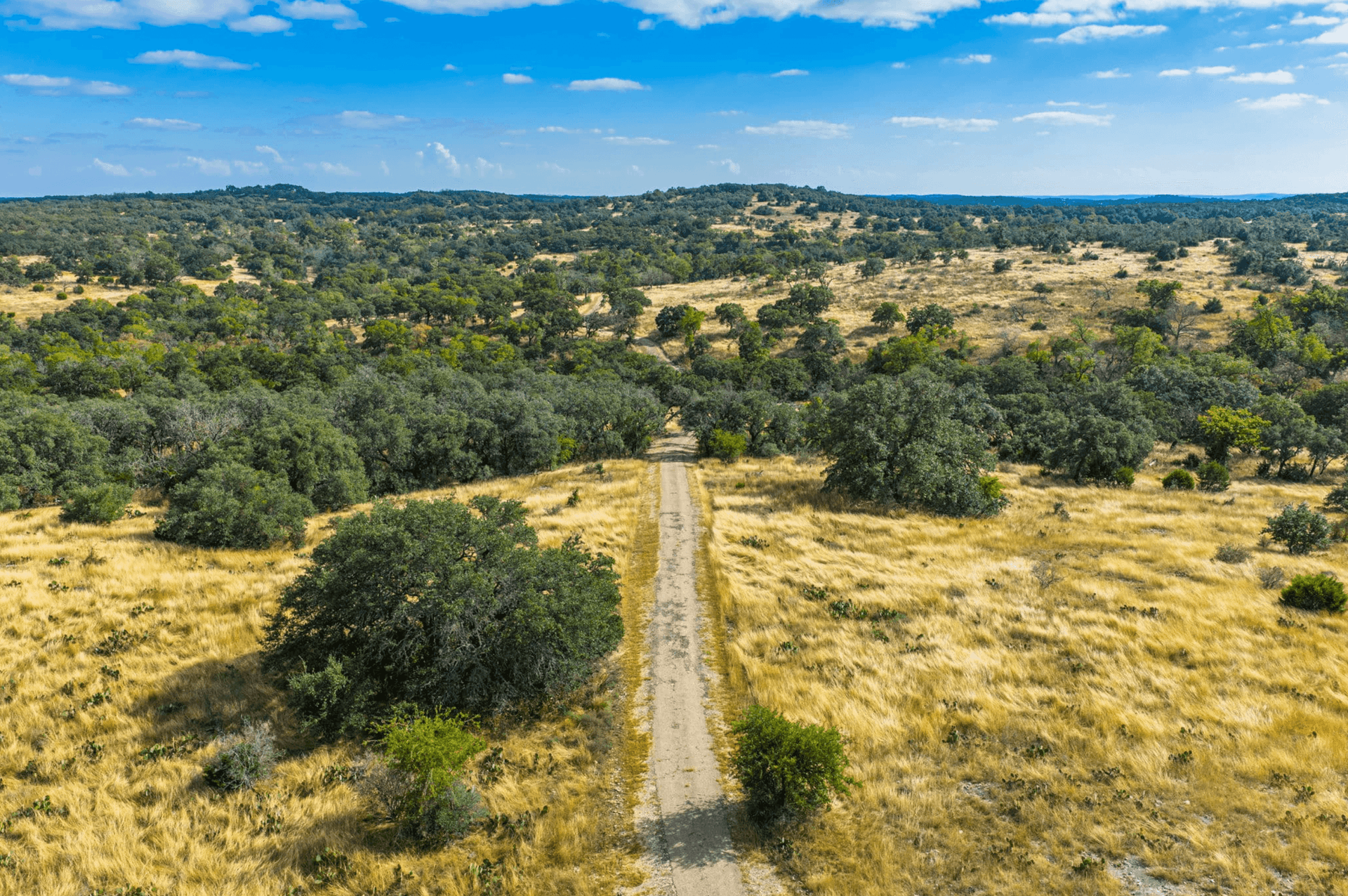
You’re not just dealing with acreage. You’re stepping into family histories. A lot of these places have been in the same hands for generations. When you’re involved in that, you feel the weight of it.
TXR: You’ve worked with a lot of legacy ranches. Why does that feel so important right now?
Robert Dullnig: Texas is built on multi-generational ranches. Once those are gone, you don’t get them back.
A lot of families are standing at a crossroads. The land might be worth more than it’s ever been, but that doesn’t make the decision easier. Sometimes it makes it harder. You’re balancing economics against heritage, and those aren’t easy things to reconcile.
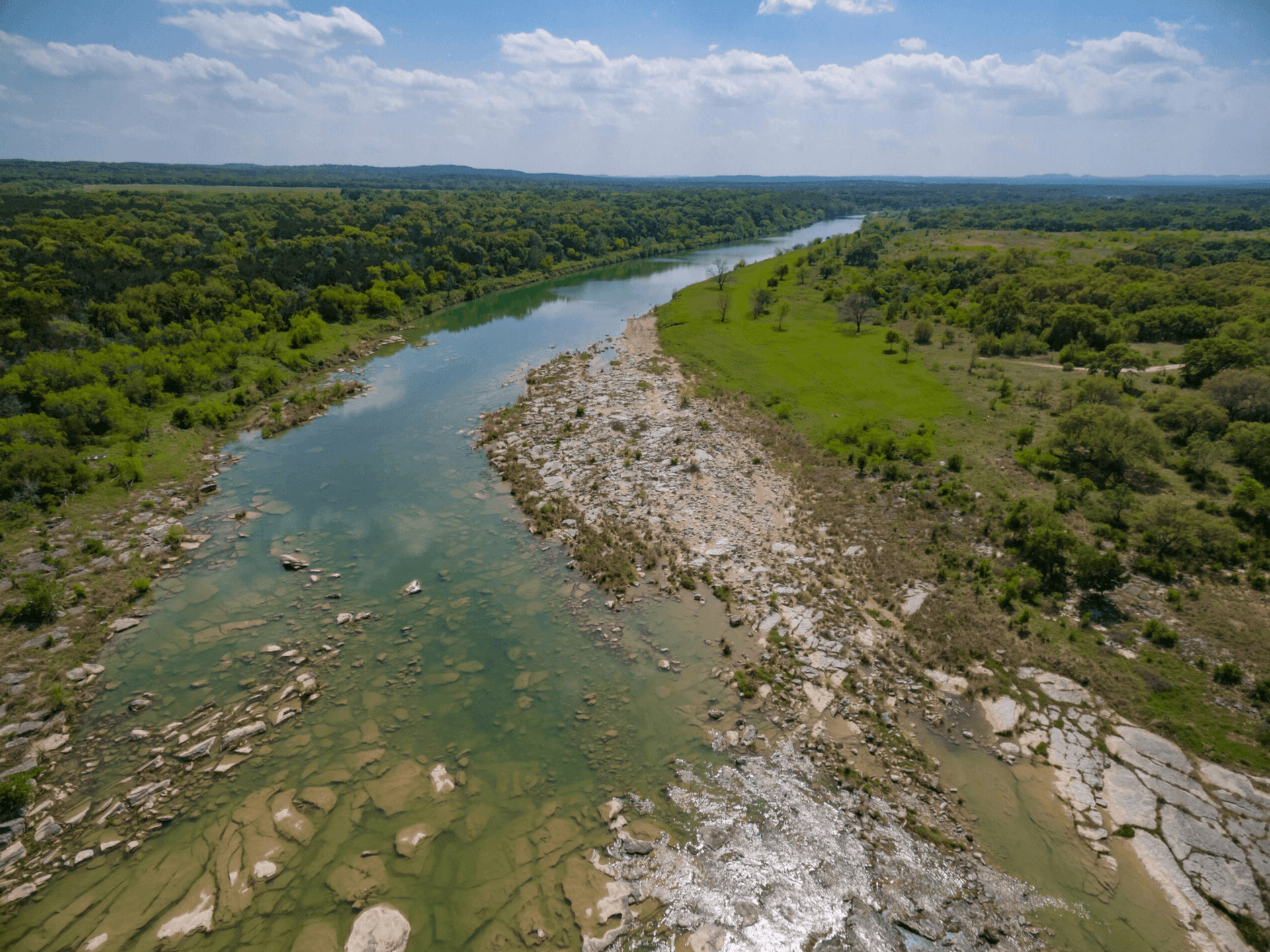
1,500+ acre ranch in Blanco, TX listed by Robert Dullnig
TXR: What has changed the most over the years?
Robert Dullnig: The marketing of oneself and the land for sale. The primary challenge is the pressure of the digital marketing landscape. Social media and online marketing can be highly misleading; they often create a false impression of both the sales agents and the property listings.
You can look at a ranch online now and think you know it. You can study maps and
photos and data. But you don’t really know a place until you’ve walked it, until you’ve
spent time there.
TXR: How do you navigate that tension?
Robert Dullnig: Within the firm, you hire the best marketing team in the business. With clients, you must stress the importance of actual sales volume data that can be found in certain real estate ranking systems, such as the San Antonio Business Journal.
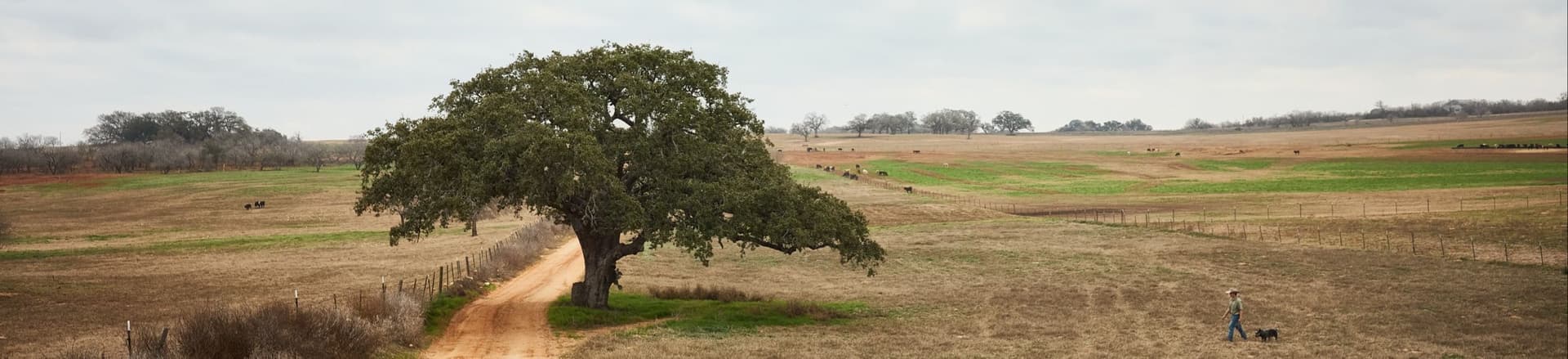
“You can look at a ranch online and think you know it. But you don’t really know a place until you’ve walked it.”
- Robert Dullnig

TXR: What does the work actually look like day to day?
Robert Dullnig: A lot of time on the road. A lot of time on the phone, studying marketplaces/learning the inventory, and lots of preparation..
You also spend hours walking the land and you really start to notice things. How the water moves. How the grass changes. How the land’s been treated. Those quiet moments tell you more than a map ever will.
It is so hard to find a constant schedule. Opportunities and work are coming at you from all different directions. The key to handling this is the people you surround yourself with.
TXR: When you think about the future, what do you hope holds?
Robert Dullnig: Change is inevitable. Texas has always changed. I just hope that there will always be places to escape to that offer real peace and privacy. Land is the foundation of it all.
That’s what we try to do every day—help people make decisions they can live with, and land that can last.
Checkout the photo gallery below of a selection of ranches listed by Robert Dullnig

Explore beyond the story
Browse listings, find businesses, or save this article for later.
 Listings
 Directory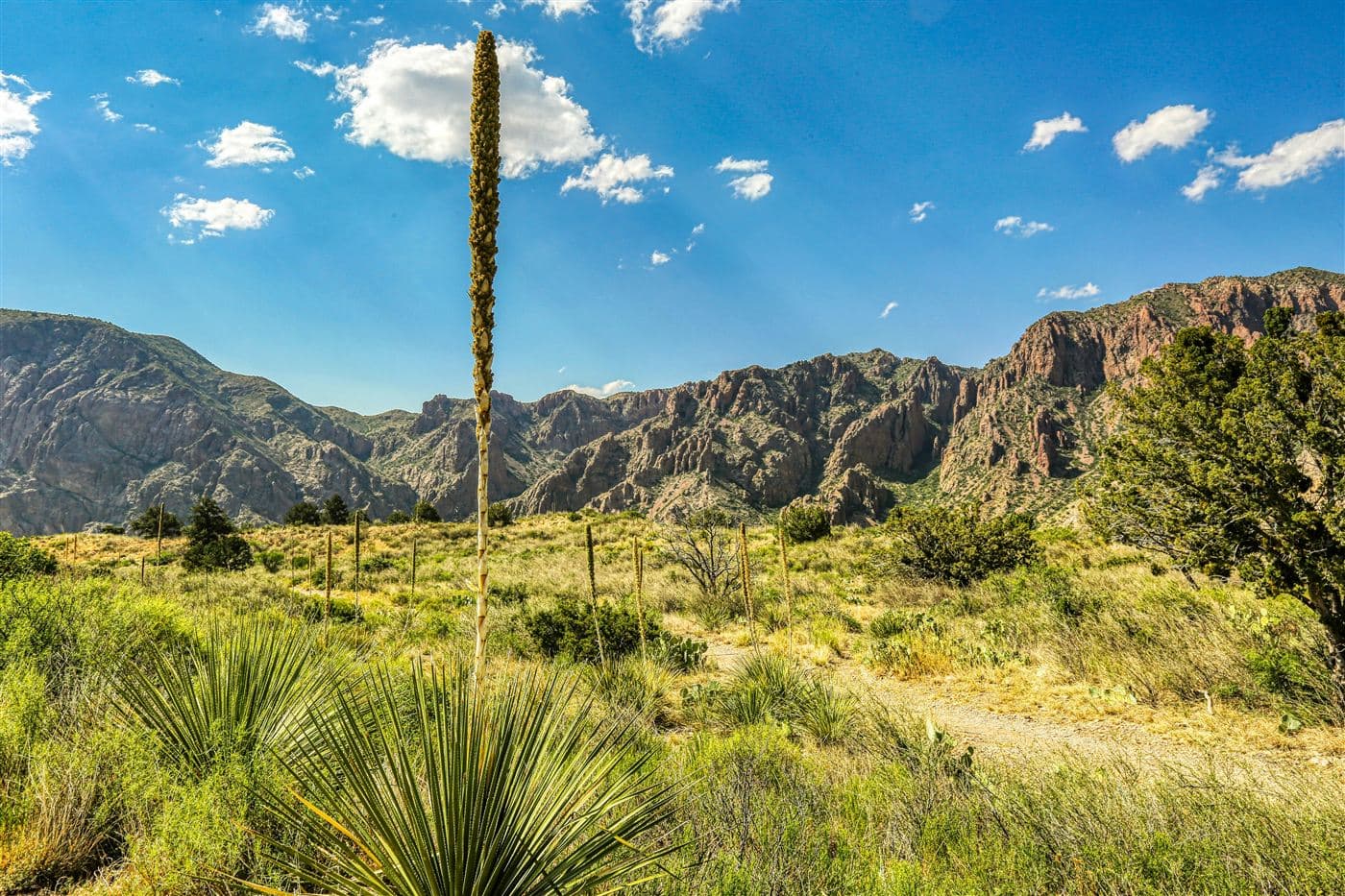
Get the Newsletter
One reported story on Texas land, delivered free every month.
By signing up, you agree to receive emails from Texas Ranches. We never sell your address, and you can unsubscribe anytime.