

On Wild Game, Texas, and Making the Work Yourself
Jesse Griffiths and Jody Horton on wild hogs, creative control, and the Texas collaborations behind The Hog Book and The Turkey Book.
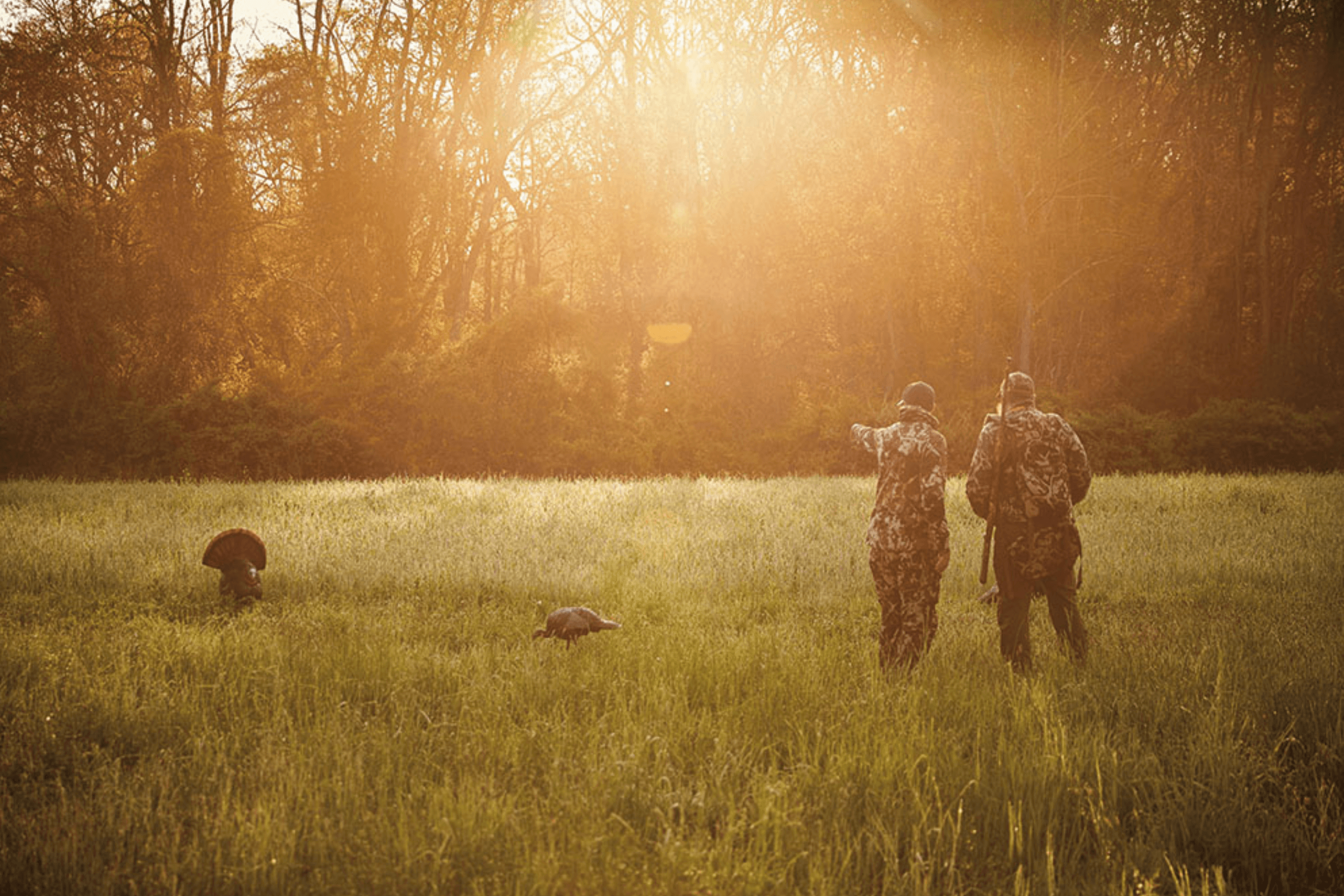
Jody Horton is an Austin-based photographer whose work often documents food systems, land, and process with an unflinching, documentary eye. His photography has focused on the people and practices behind sustainable food, wild harvest, and regional craft, bringing viewers into the process. He also photographed the first brand campaign for Texas Ranches so you’ll see a lot of his work across our site and other channels.
Jesse Griffiths is a chef, educator, and wild game expert based in Austin, Texas. He is the founder of Dai Due, a restaurant dedicated to cooking exclusively with Texas-sourced ingredients. Griffiths has spent decades teaching hunting, butchery, and wild game cooking, and is widely regarded as one of the leading voices on wild hog utilization in Texas.
Jody and Jesse’s collaborations include three books to date: Afield, The Hog Book and The Turkey Book — that document the full lifecycle of wild game, from field to table.
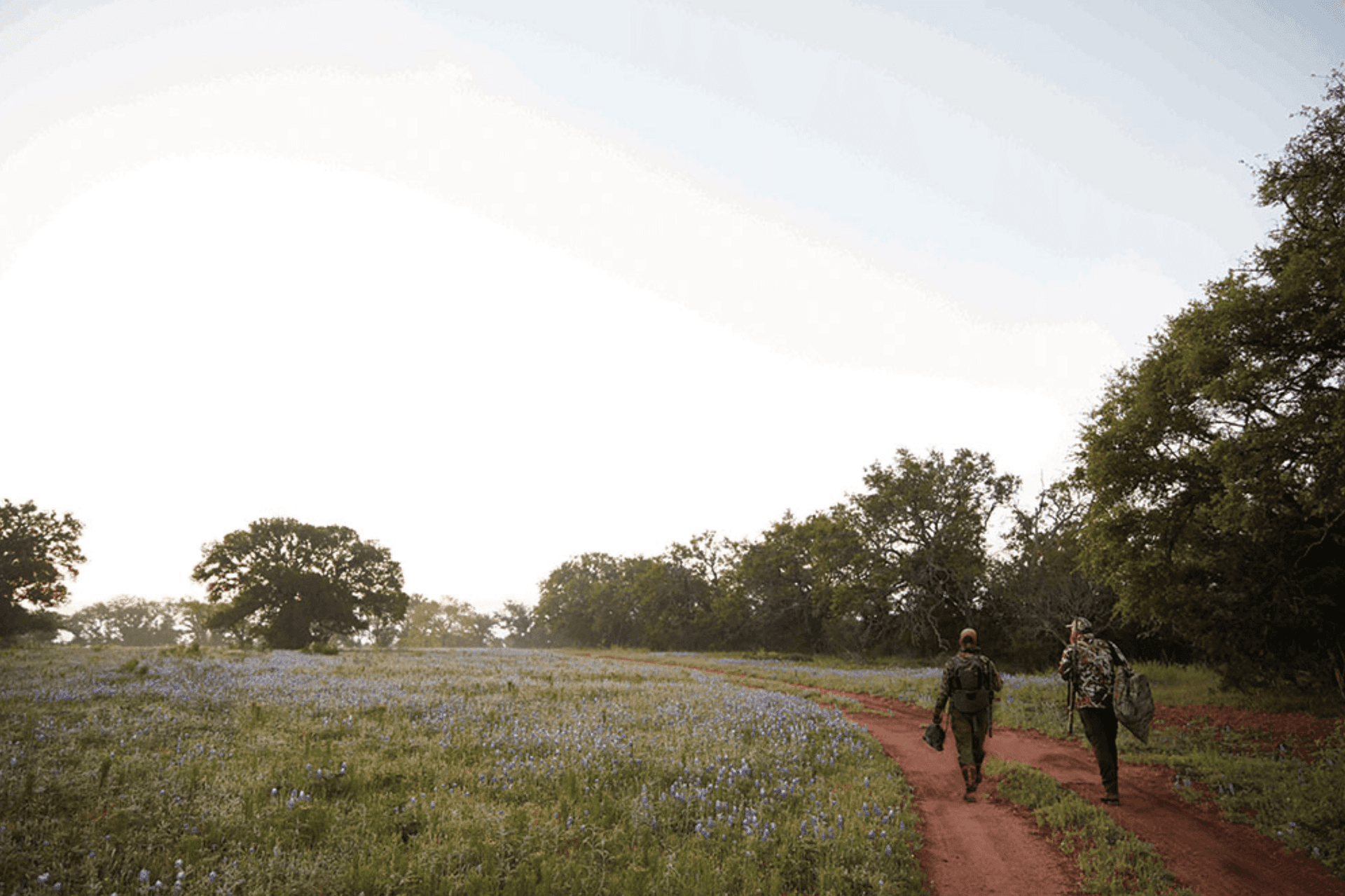
Photographs by Jody Horton.
TXR: To start, can you each share your relationship to Texas and how it’s shaped you?
Jody Horton: I first passed through Texas probably in 1996. I was driving back from Costa Rica to the U.S. and really liked what I saw. I didn’t move here until 2000, so it’s been a quarter century. By now, I feel like I’ve been naturalized. I grew up in South Carolina, and what I’ve always liked about Texas is that it’s still part of the South, but it has a different kind of wide-open character about it — not just geographically, but in people as well.
It’s been a good place for me to be for work, and I love raising a family here. My wife and I have two boys, one in college and one a junior in high school, and I can’t think of a better place to raise kids. Despite some crazy things about Texas, I think it’s as good as it gets in a lot of ways.
Jesse Griffiths: I was born and raised here. I grew up in Denton, north of Dallas and Fort Worth, and I’ve been in Austin since 1998. I love it. I’ve traveled a lot, and I love other places, but I love being here the most.
I think the diversity is incredible. You have German culture, Czech culture, Vietnamese culture, and of course the fact that we were once part of Mexico. Being in Austin, I’m three hours from everything — the Hill Country, North Texas, the Gulf, the brush country. From an outdoor perspective and as someone who just loves being outside, it’s unmatched.
TXR: How did the two of you first start working together?
Jody Horton: I was really interested in sustainable food things, and I was a fan of what Jesse was doing.
We probably started talking around 2008 or 2009 about collaborating in some way, and that first project ultimately became Afield. That’s really where the collaboration started.
Jesse Griffiths: Afield was very broad strokes. It covered everything from crabs to feral hogs, turkey, deer, dove, freshwater and saltwater fishing. It was regional by default — that was just my scope.
During that process, we really noticed the pain points of working with a publisher, for better or worse. That’s when we decided that any future projects we would attempt on our own, with Jody really leading the logistics and business side of things.
TXR: Why was independent publishing important for The Hog Book and The Turkey Book?
Jesse Griffiths: Creative control — particularly with images. Jody definitely has opinions about what images he wants to use. And the ability to create our own team was huge. I really like getting the band back together — working with Jody, working with Blair, our designer. That part is just fun.
Jody Horton: We did run into friction about showing some of that imagery, and we knew it was important to include it. So with the hog book and the turkey book, we took control of that decision-making ourselves.
TXR: The books show the entire process, not just finished dishes. Why was that important?
Jody Horton: The hope was to encourage people and make it easy and accessible. That started with Afield and continued with The Hog Book and The Turkey Book.
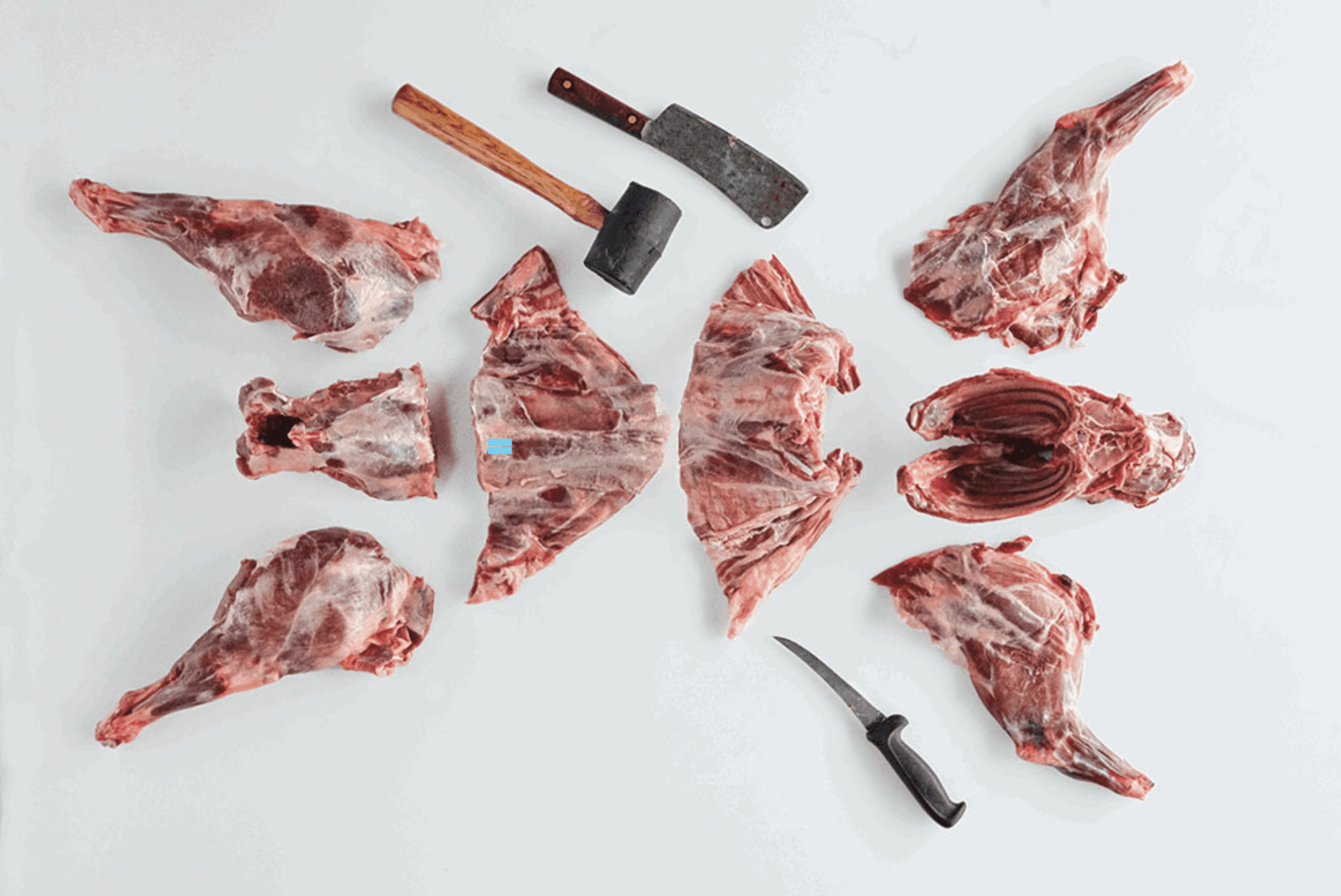
Jesse Griffiths: Graphic images are really necessary for books like this. You have to have demonstrable photos of gutting, skinning, blood, things like that. Sometimes it’s beautiful.
TXR: What sparked the idea for The Hog Book?
Jody Horton: It surprised me to see this situation where people were hiring sharpshooters to fly in helicopters and gun down wild hogs and let them rot, while that same hog might be served in a high-end restaurant.
Something can be both a pest and really valued. That felt like a story that needed to be told, and Jesse was uniquely qualified to tell it.
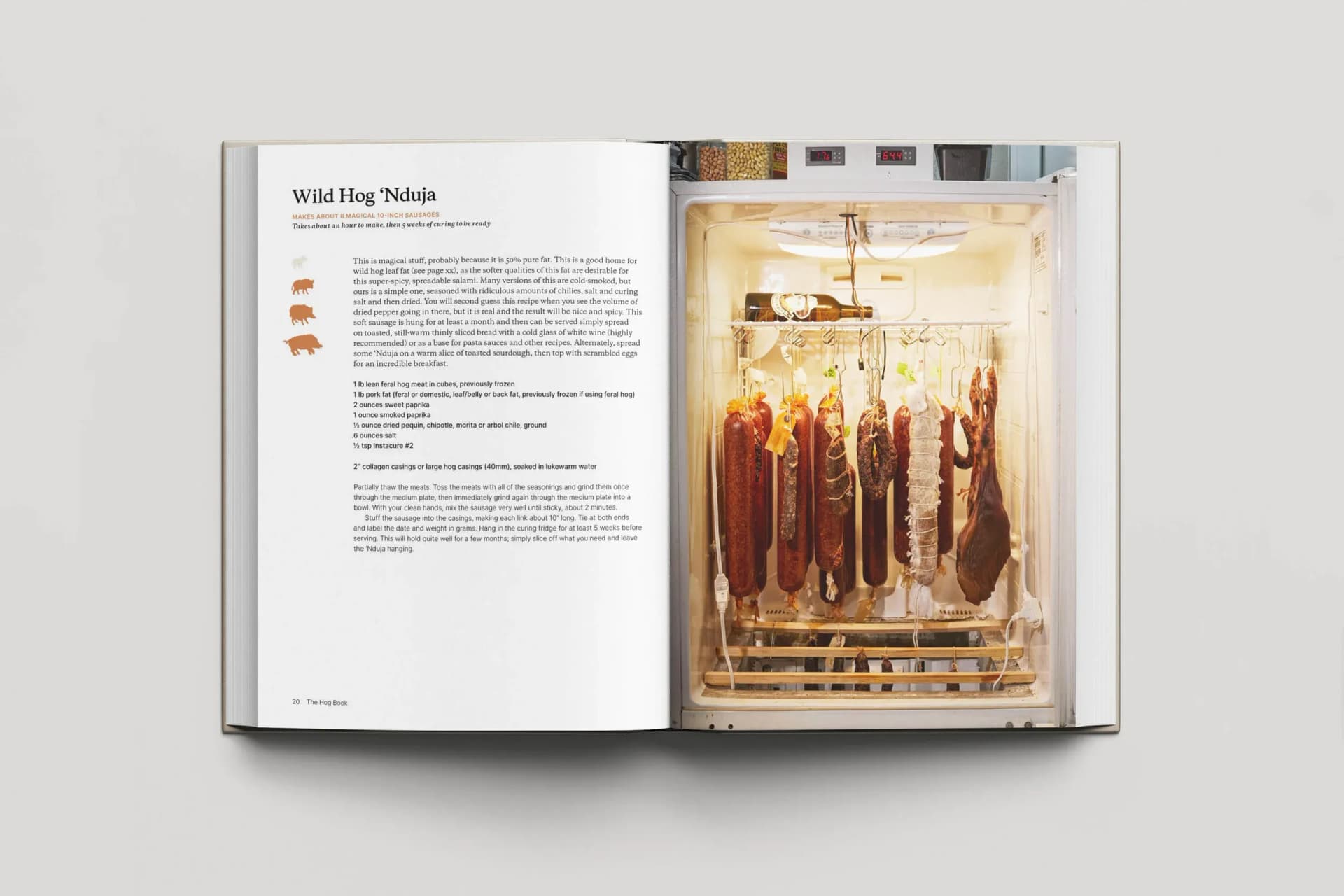
TXR: What kind of impact do you think The Hog Book has had?
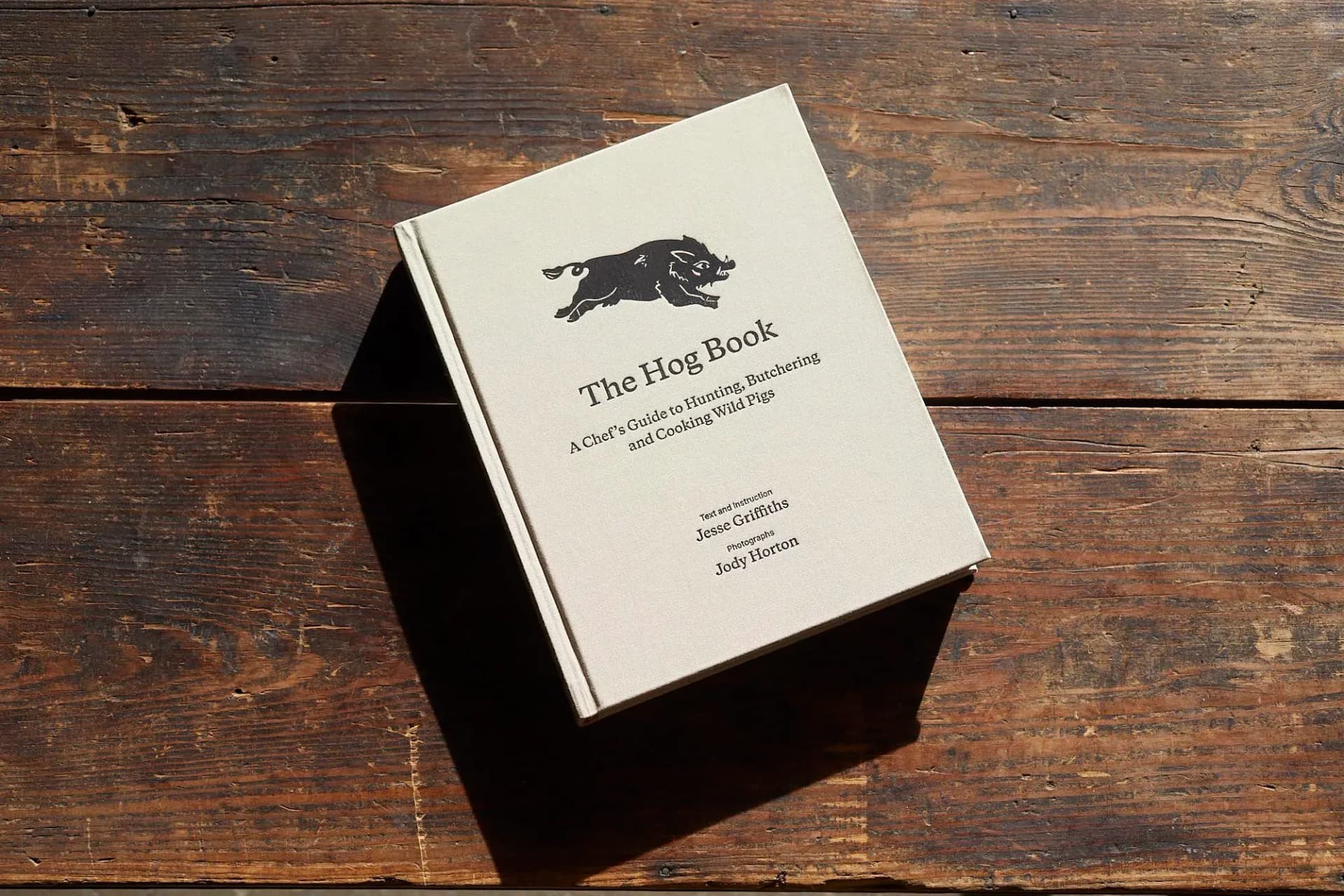
Jesse Griffiths: I teach feral hog butchery classes with some regularity, and the book was written from the questions I heard in those classes.
I can’t tell you how many times I’ve heard, “Before this book, we just shot them and let them lay.” Now people are utilizing them. That’s really the focus of the book — to enable, empower, and encourage people.
People tell me it’s on the coffee table at the ranch, in the bunkhouse, at the lease. That’s success. I’m not asking everyone to process every hog. I’m just saying that if you’re curious and want to utilize it, you absolutely can.
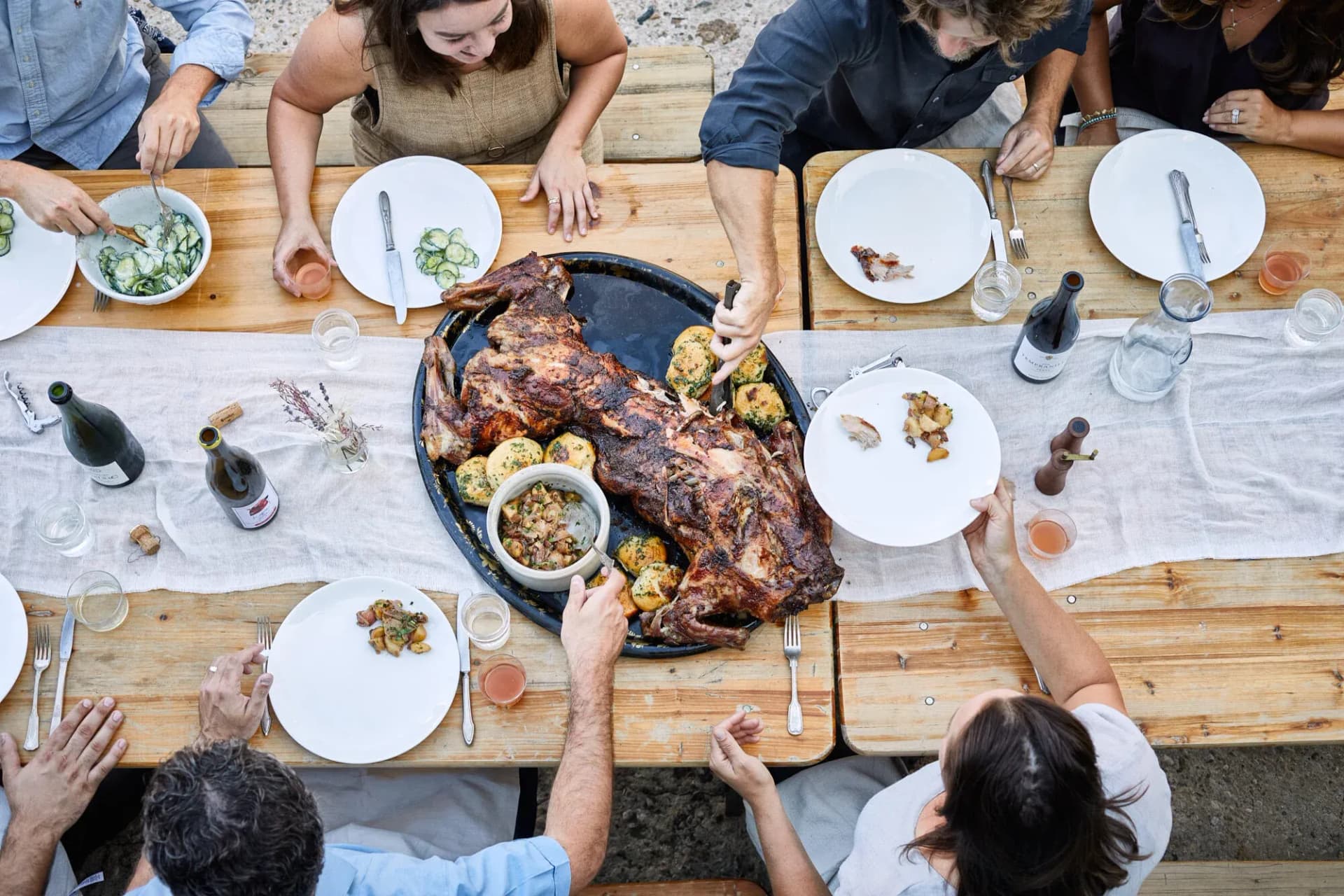
TXR: There’s a general misconception that wild hogs can’t be eaten, where do you think that originated?
Jesse Griffiths: A lot of it is generational misinformation. Someone says you can’t eat them, but they’ve never eaten one, and the person who told them hasn’t either.
Sometimes it’s convenience. It’s late, they’re heavy, they smell, and it’s easier not to deal with it. When something is invasive and abundant, it’s almost convenient if they’re inedible. But if you choose to deal with it, you couldn’t be farther from the truth than saying you can’t eat them.
TXR: Food and hunting seem to bring very different Texans together. Do you see that?
Jesse Griffiths: Food is a connector. Everybody eats. When you have a shared problem — like an invasive species — and a shared solution, it builds bridges between urban and rural communities.
If you’re sitting in a restaurant in Austin eating wild boar, you can think, “I’m helping somebody on a ranch.” That’s a real connection.
Jody Horton: It’s a conversation you can have around a fire. It’s different than over Zoom.
TXR: Can we expect another book from you in the future?
Jesse Griffiths: Yes — more to come. We’re not ready to make any announcements yet, but it’ll look real good next to the other two on the table at the bunkhouse.
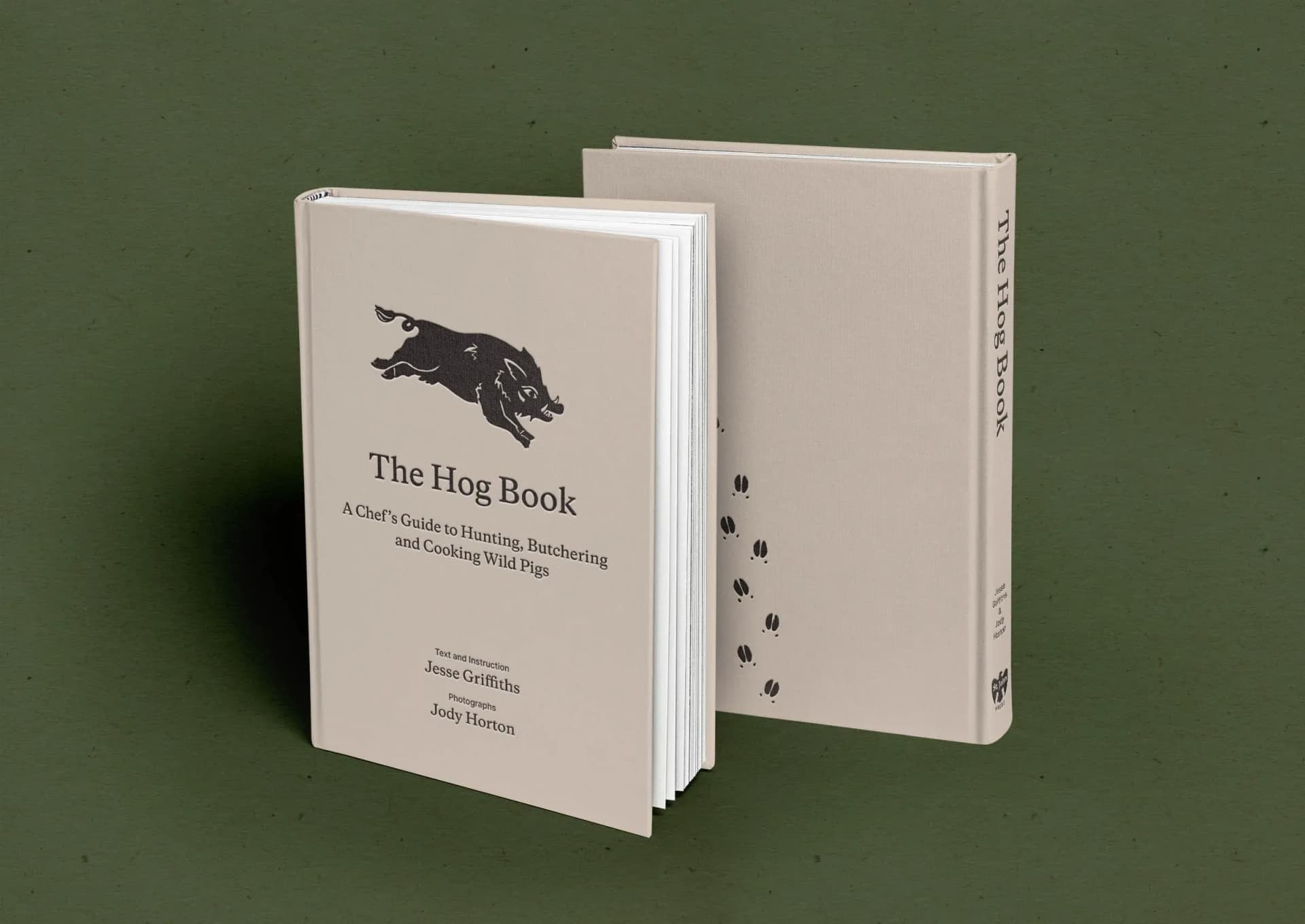
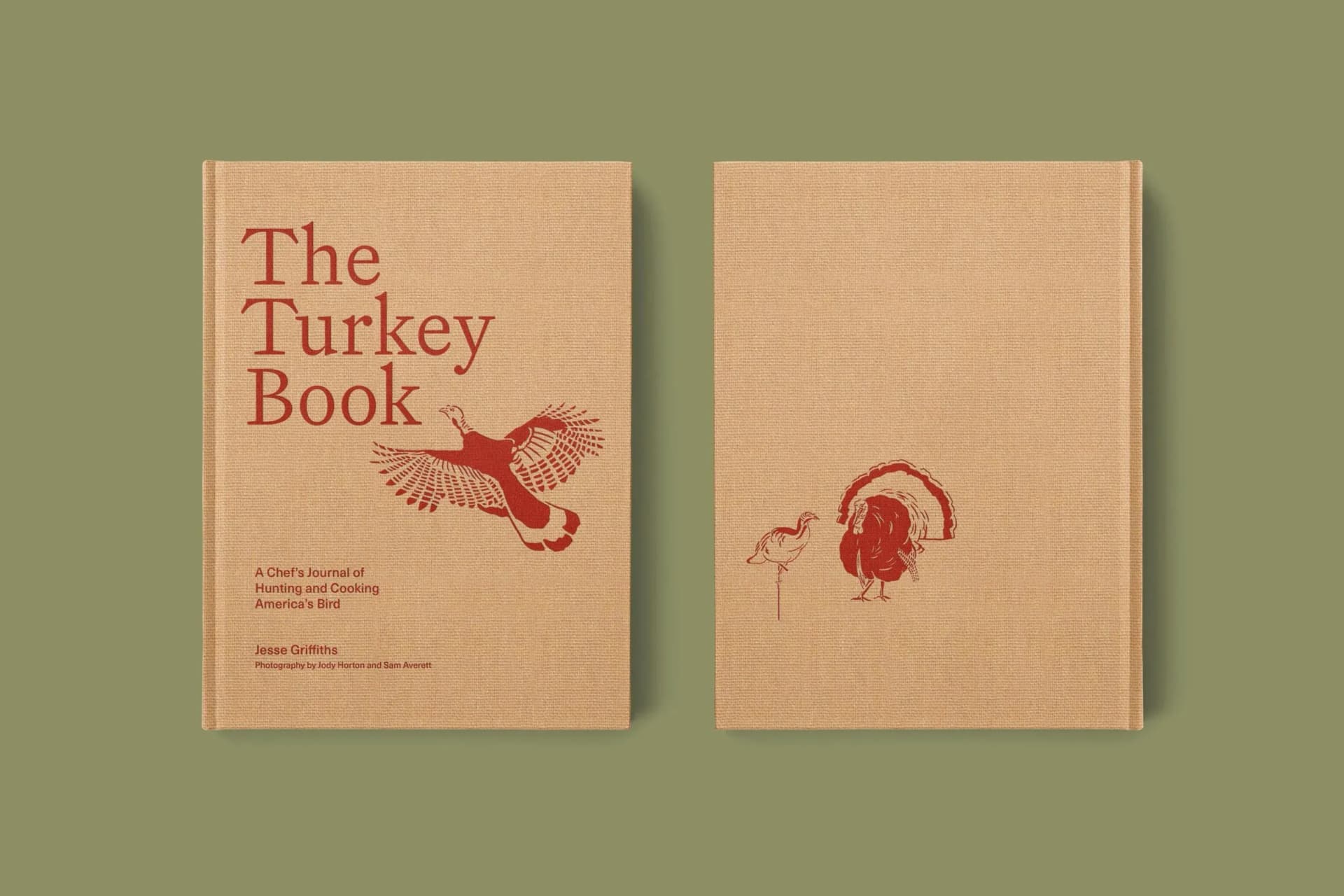
Explore the Books
Field-to-table stories from the people who know the land, the hunt, and the meal.
Jesse Griffiths and Jody Horton’s books bring together wild game, photography, recipes, and the hard-won knowledge behind hunting, cooking, and eating in Texas.

Explore beyond the story
Browse listings, find businesses, or save this article for later.
 Listings
 Directory
Get the Newsletter
One reported story on Texas land, delivered free every month.
By signing up, you agree to receive emails from Texas Ranches. We never sell your address, and you can unsubscribe anytime.