

Forged by Fire
How Mill Scale Metalworks turns steel, smoke, and live-fire cooking into tools for gathering, craft, and connection.
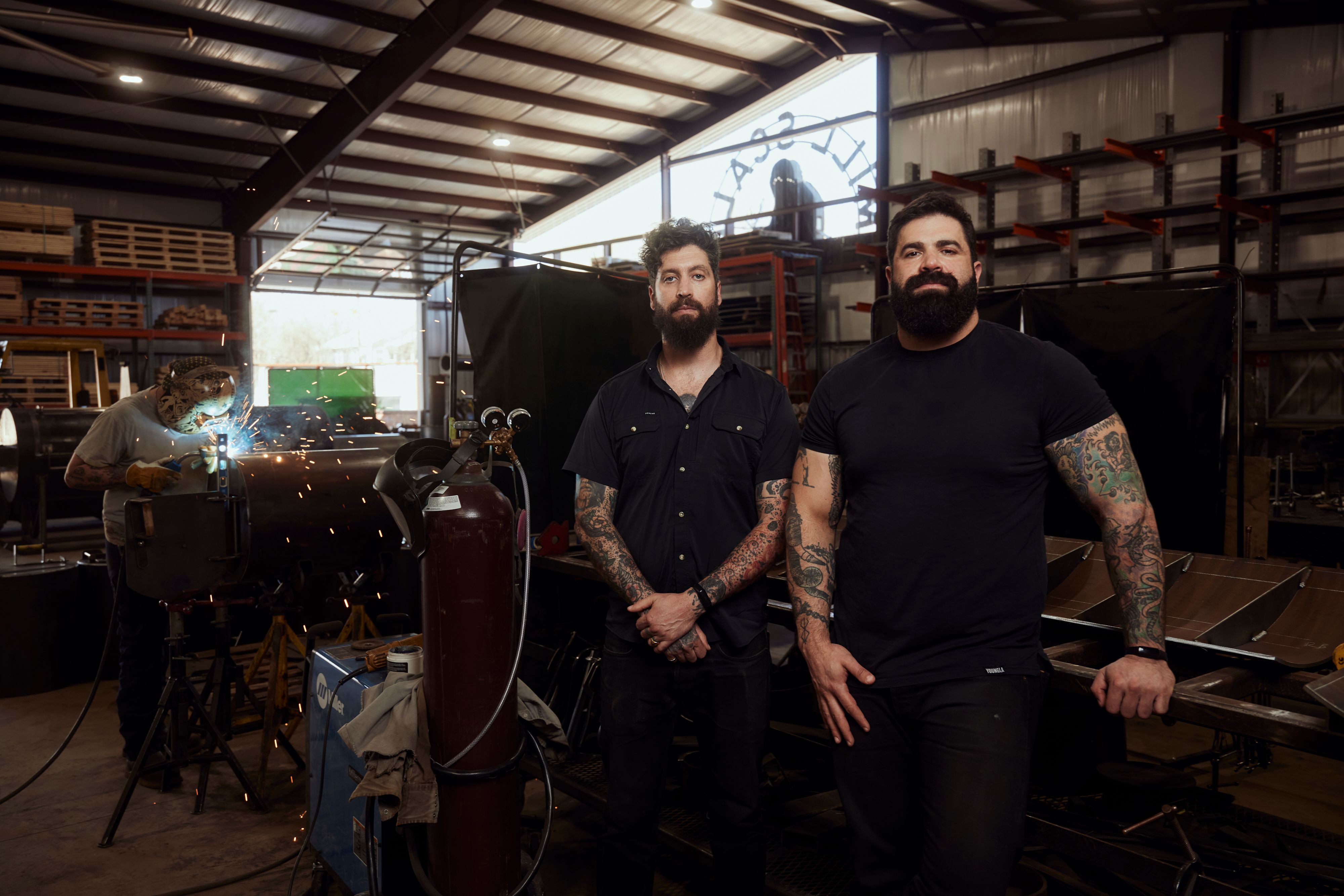
Mill Scale Metalworks was founded by brothers Matt and Caleb Johnson in Lockhart, TX. They build high-quality, live-fire cooking equipment with a focus on craft, intention, and tools that encourage gathering. Our conversation with them covers lineage, craft, fire, and food, exploring what it means to work with intention and contribute something lasting to a place. Enjoy.
TXR: Let’s start with your background, your relationship with Texas, how you got into this unique space. Tell us about your upbringing and how you got here.
Matt Johnson: It started truly as two brothers with a dream. Caleb, my partner and co-founder, is my brother. We grew up working together with our hands our entire lives. We got into the trades because we worked alongside our dad growing up — everything from woodworking, metal fabrication, electrical. If there was a job to do and something needed to get fixed, we were there to learn how to do it and eventually get it done.
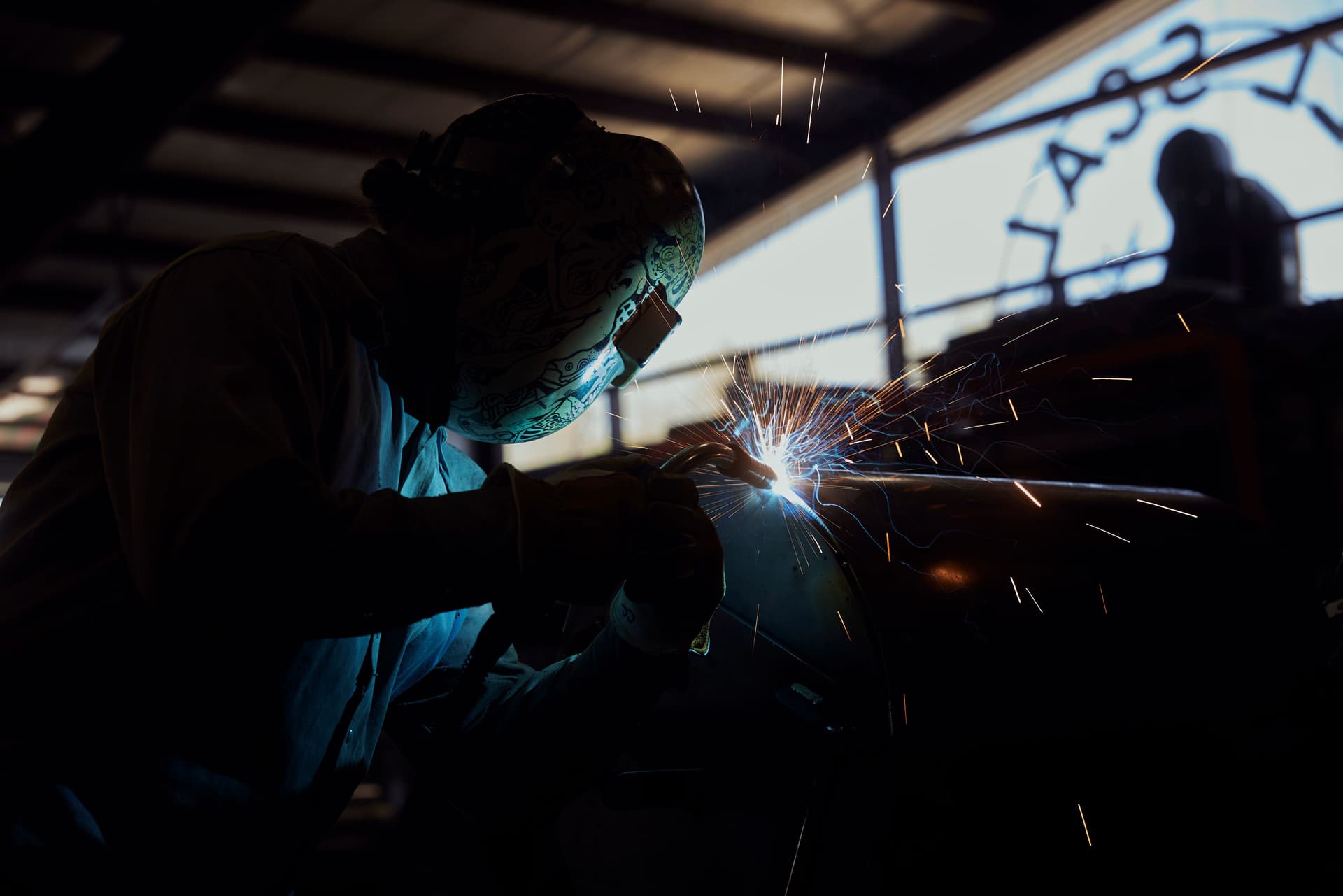
We moved to Austin from our small town in 2007. We spent a long time in East Austin doing a lot of different jobs, mainly metal fabrication at architectural steel design shops. We’re self-taught welders, so we learned a lot of different design elements and fabrication processes.
TXR: When we spoke last, you mentioned your mom was Portuguese and had a connection to live fire cooking. How did this impact you?
Matt Johnson: My mom was born in Madeira, a Portuguese island close to the Azores. She grew up in a small house with her mom, and every meal was cooked on a live-fire stove — one-pot meals cooked with fire, very primitive cooking. They used the resources of that region: vegetation and seafood they foraged and fished themselves. They were potato farmers, and they would barter potatoes for one hog a year, which they used every component of throughout the entire year.
We grew up hearing those stories. We’re first-generation Texans and were removed from a lot of our family because we were so far away. We were constantly searching for those roots that grounded us through those stories.
At the same time, we truly identify as Texans. We grew up around our dad grilling steaks, fajitas, Tex-Mex food, and Mediterranean food from my mom’s side. Our early memories were around fire, cooking food, and sharing meals.
When we moved to Austin, it was during a renaissance of Texas barbecue. People had been cooking barbecue for a long time, but Central Texas and Austin were leading the way globally. That sparked a deep interest in low-and-slow cooking, convection, time, and experience — taking tough cuts and earning what ends up on the plate. That influenced our brand and how we develop products.

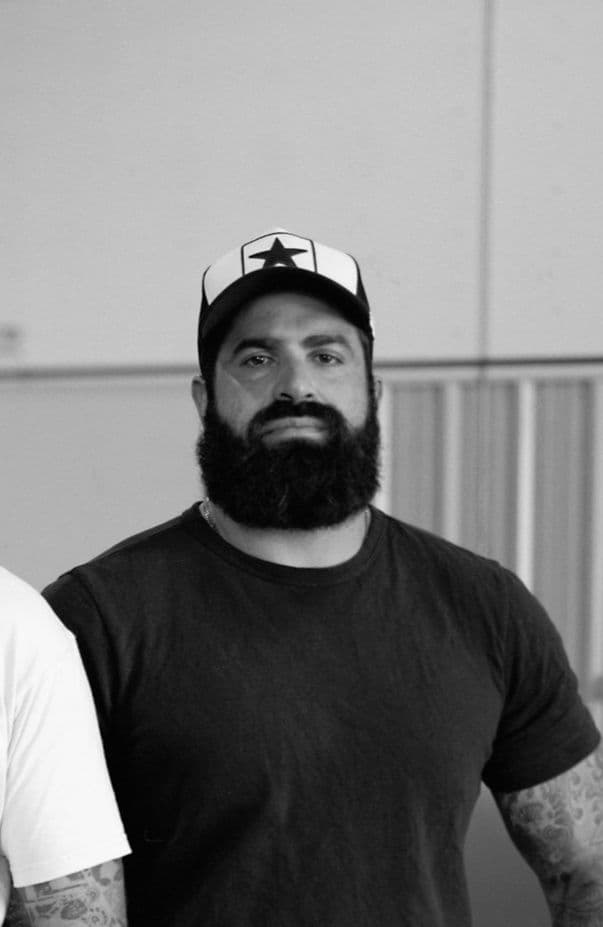

“The lowest common denominator of humanity is people getting together, cooking food over fire, and sharing that event.”
— Caleb Johnson


“The lowest common denominator of humanity is people getting together, cooking food over fire, and sharing that event.”
— Caleb Johnson
At one point we looked up and asked, “What’s next? Where can we go? What can we do?” We had a big interest in the culinary industry. We grew up where the dinner table and the family element were central, important moments in busy schedules happened at the dinner table, and food was what connected people.
We had a strong foundation and appreciation for food and sharing meals and experiences, and we applied that to developing culinary products.
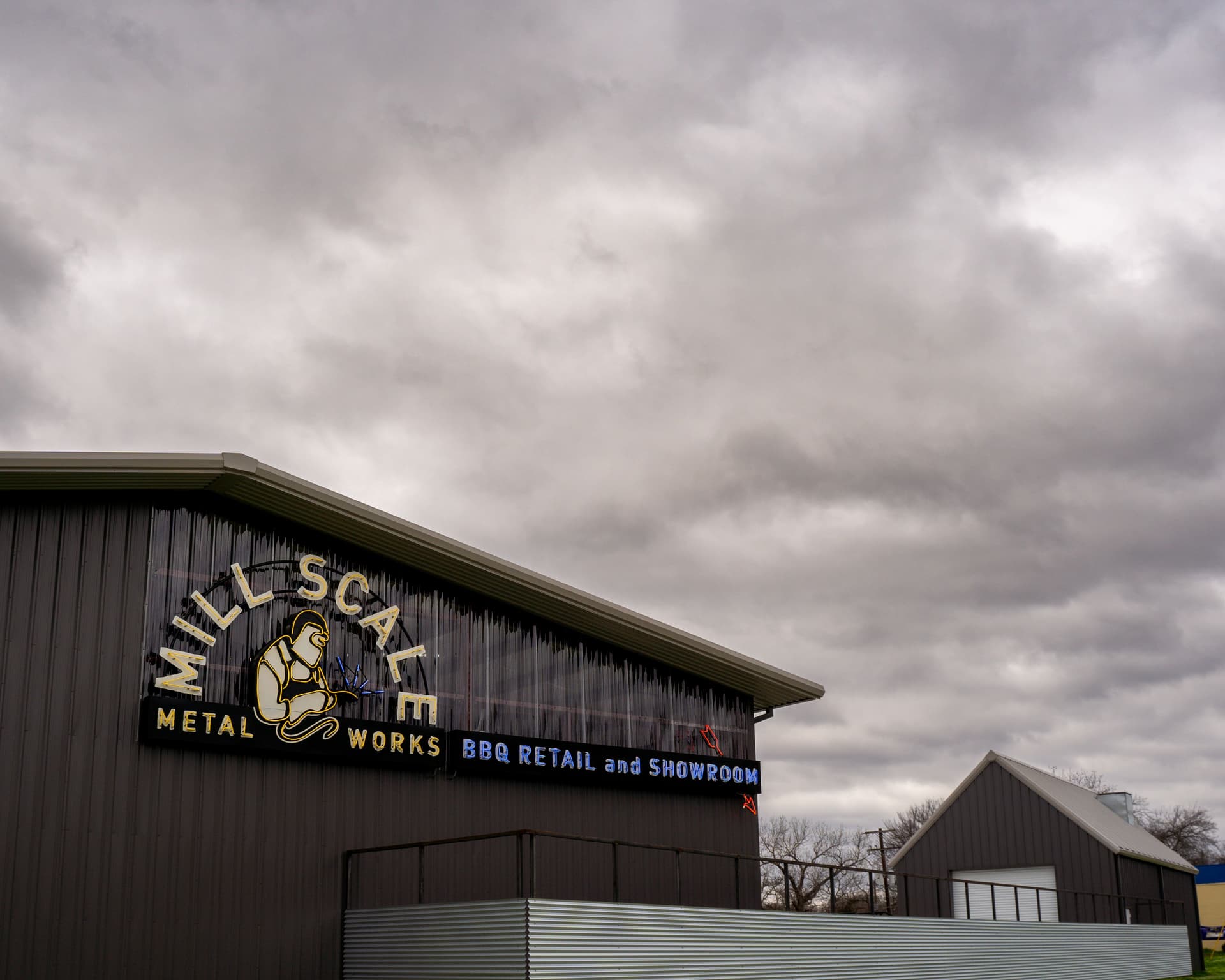
We founded Mill Scale in 2018 and we specialize in live-fire cooking — analog cooking — residential and commercial. That sub-categorizes into traditional offset smokers for what we consider Central Texas barbecue and live-fire grills. From there we explore how people cook with fire around the world — Japanese yakitori, South American asado, Scandinavian cooking techniques.
It’s been an incredible journey of constantly learning and pushing the boundaries of the brand and the products. Ultimately, we’re looking to connect people and bring people together over food.
TXR: You work across residential and commercial worlds. Who are you building for?
Caleb Johnson: One of the most gratifying parts of what we do is the conversation between Matt and me on the design and fabrication side and the operator. We’re enabling chefs, pitmasters, and artists by building tools to their specifications. Live fire supports theater. Being able to support that experience is satisfying. We’re discipline chasers. We see it in fabrication, culinary work, and our personal lives. We’re process-driven people.
The lowest common denominator of humanity is people getting together, cooking food over fire, and sharing that event. Whether it’s the rancher, the farmer, the chef, or us building the tools, we’re all contributing to that moment.
We all have limited time and resources. Knowing we’re contributing to those moments with friends and family is incredibly gratifying.
TXR: Can you talk about collaborating directly — going to someone’s ranch or restaurant — and how that process works?
Matt Johnson: We’re comfortable being in uncomfortable positions. Welding is hard work, and there’s a sense of permanence and responsibility. We’re building something that someone is going to light a fire in.
Everything starts with the fire. We build the vessel around it to manage and adapt it.
One story that comes to mind is Lou Lambert. He has a very specific way of cooking. We had to learn how he cooks and design for that. What we built for him was modeled after a grill at his ranch in West Texas.
It came down to Dutch oven cooking, using the life of the coals, and different elements of heat — live fire, smoke, coals. He doesn’t waste any heat. You might have cast iron skillets with cornbread on the bottom and big steaks on the top.
We consider ourselves students constantly. We learn alongside chefs who’ve dedicated their lives to this work, and then we build tools they’ll use for their livelihood.
We believe in generational heirloom products. We’ll dedicate our lives to this, but we won’t have everything figured out. People have been cooking with fire since the dawn of time, and we’re here to learn.

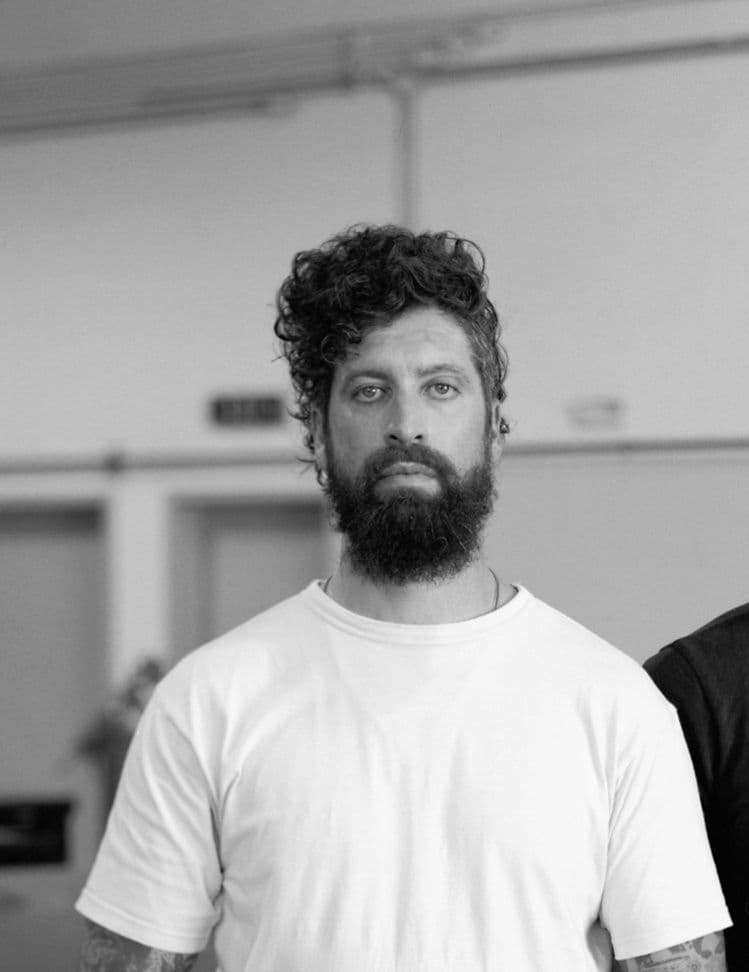
“We build things for a living, but the most important thing we build is relationships.”
— Matt Johnson


“We build things for a living, but the most important thing we build is relationships.”
— Matt Johnson
TXR: You’ve formed relationships with ranchers and producers. Can you talk about learning that world and how those relationships inspire your work?
Matt Johnson: We always say we build things for a living, but the most important thing we build is relationships.
We start with people. We want to hear their stories and make genuine, authentic connections with our community. There’s a curiosity — where does this brisket come from? How is it cooked? What kind of wood is used? Where’s the beef coming from? What are their practices?
There’s a never-ending rabbit hole of knowledge. We’re very attracted to people whose life’s work or family legacy translates into what they do.
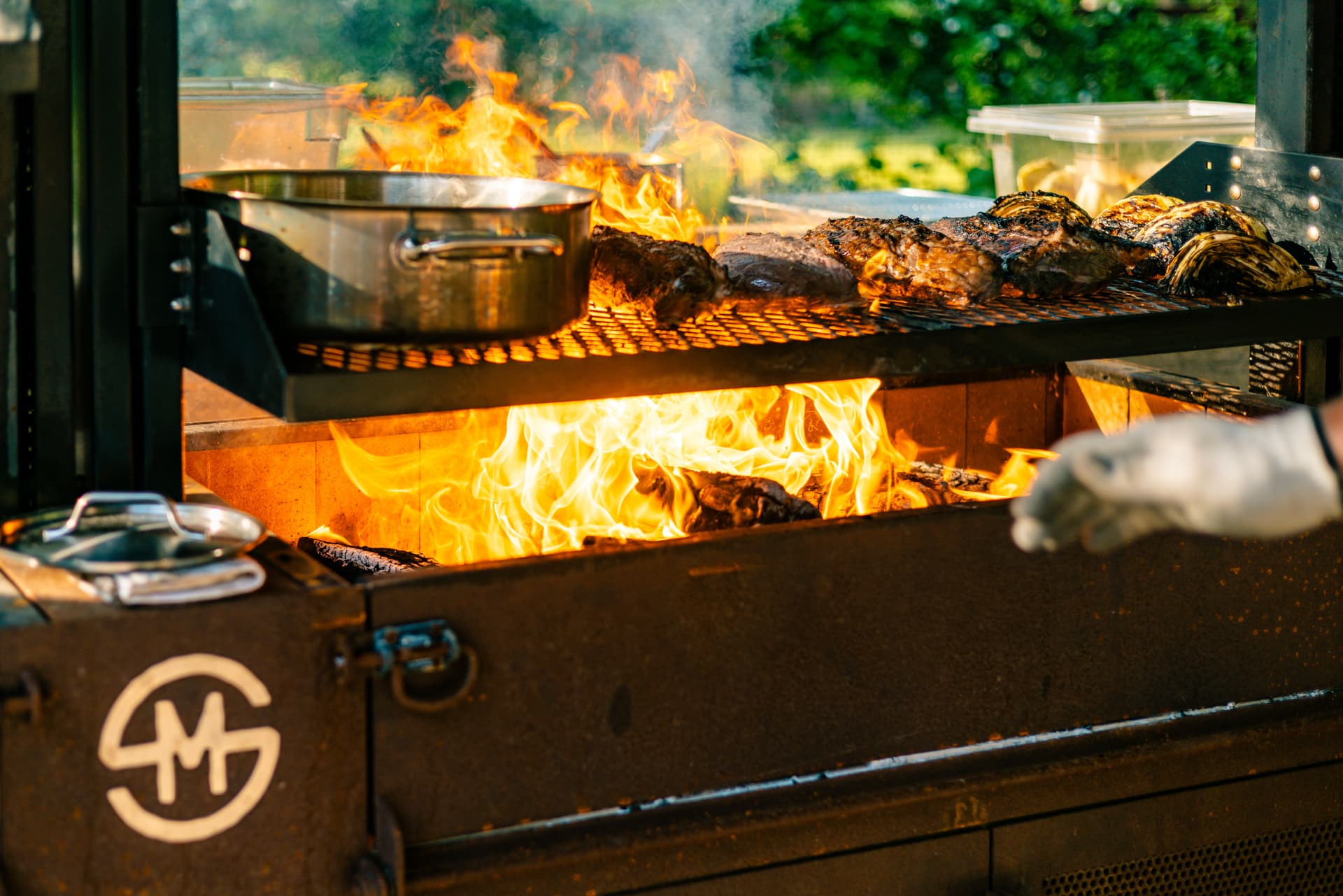
We work with 44 Farms and have since the early days of Mill Scale. Caleb and I have been to the ranch, met their owner and team, seen the genetics, seen the farming practices, and been to the bull auctions, which are so much adrenaline and excitement.
Activating our products by lighting a fire and putting a cut of beef on them is a full-circle moment. It connects all the dots, and those relationships are incredibly important.
Photography by Jay Baltierra
TXR: Why did you decide to open Mill Scale in Lockhart?
Caleb Johnson: Nobody was building barbecue pits in Lockhart, Texas — the barbecue capital of the world.
Lockhart has preserved its charm while being progressive enough to welcome artists and makers. It’s become a safe haven. We’re on the welcome sign when people drive into town, and that comes with a sense of responsibility and pride.
Matt Johnson: We were very aware of the history and wanted to respect it while contributing to the present and future. Being able to build smokers for Kreuz Market, Black’s, Terry Black’s, and Barb’s meant everything to us.
TXR: You’ve also become deeply involved in programming and community events in Lockhart right?
Matt Johnson: Programming happened naturally. We realized we had more cooking equipment than a lot of restaurants.
After the Kerrville floods, we were able to mobilize relief efforts because we had experience feeding people, access to chefs, and ranching partners willing to donate product. Honestly, I’m more proud of what we did there than Lockhart Rising. If we made that day better for rescue workers and families, that meant a lot.
TXR: Tell us about some of the challenges you’ve faced and how you overcame them?
Matt Johnson: Adaptability. We started in 2018, then COVID hit. Before that we only built large commercial smokers, so we pivoted to residential products.
That pivot allowed us to adapt instead of shrink. We maintained both residential and commercial lines afterward.
TXR: Looking ahead, what feels most important?
Matt Johnson: We plan to grow through people. Culture is everything — respect, inclusivity, safety, and pride in craftsmanship.
We want to lower the barrier of entry through education. It’s okay to burn your first brisket. It’s okay to start small. This is about process, not instant gratification.
Caleb Johnson: Everything we do is done with intention. Every cut and every weld matters because these products can change someone’s life. Purpose is the antidote to bitterness.

Explore beyond the story
Browse listings, find businesses, or save this article for later.
 Listings
 Directory
Get the Newsletter
One reported story on Texas land, delivered free every month.
By signing up, you agree to receive emails from Texas Ranches. We never sell your address, and you can unsubscribe anytime.