

On King Ranch, Cowboys, and Photography
A conversation with Rahm on growing up connected to King Ranch, finding belonging through photography, and documenting ranch life with honesty and care.
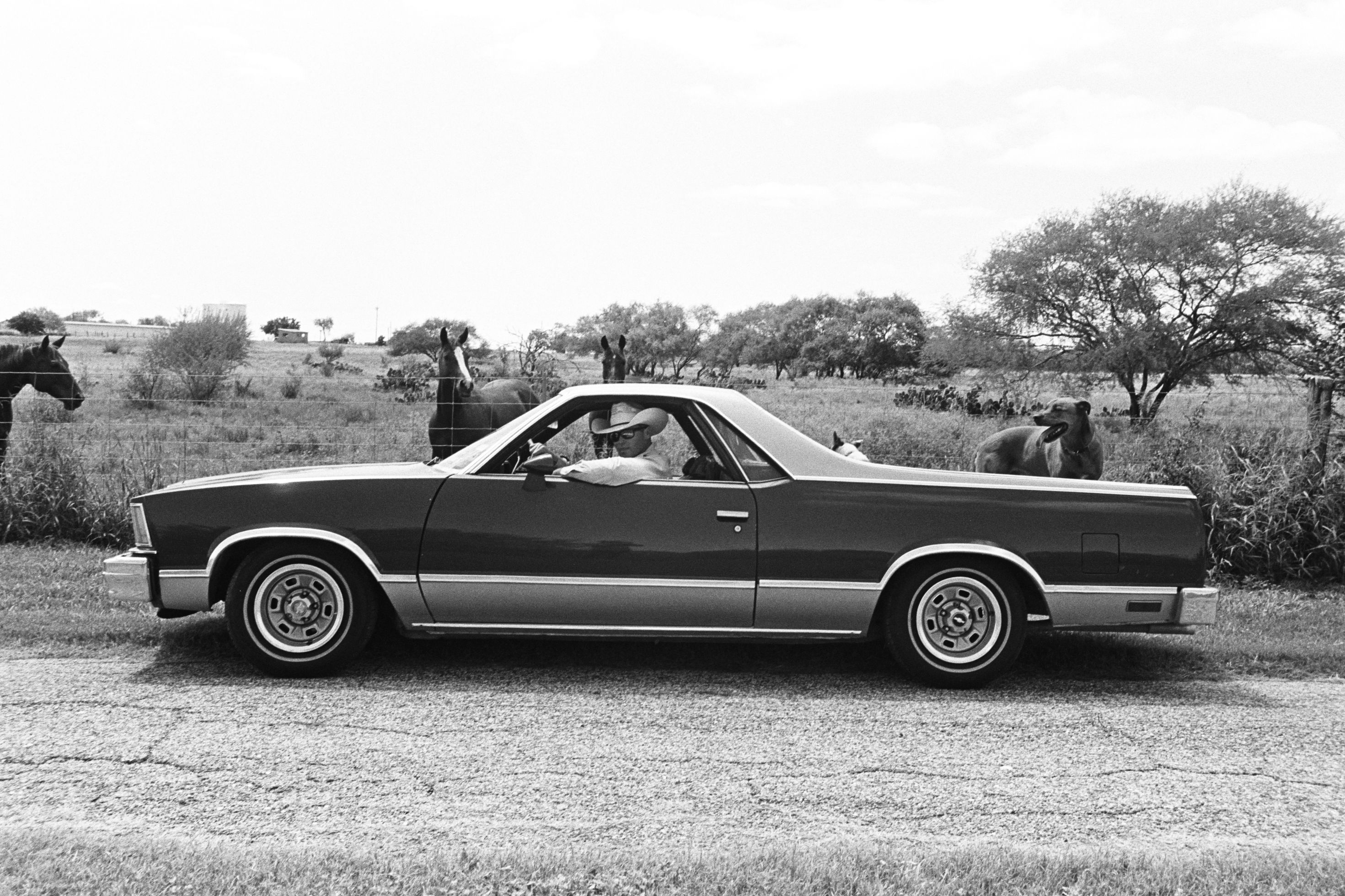
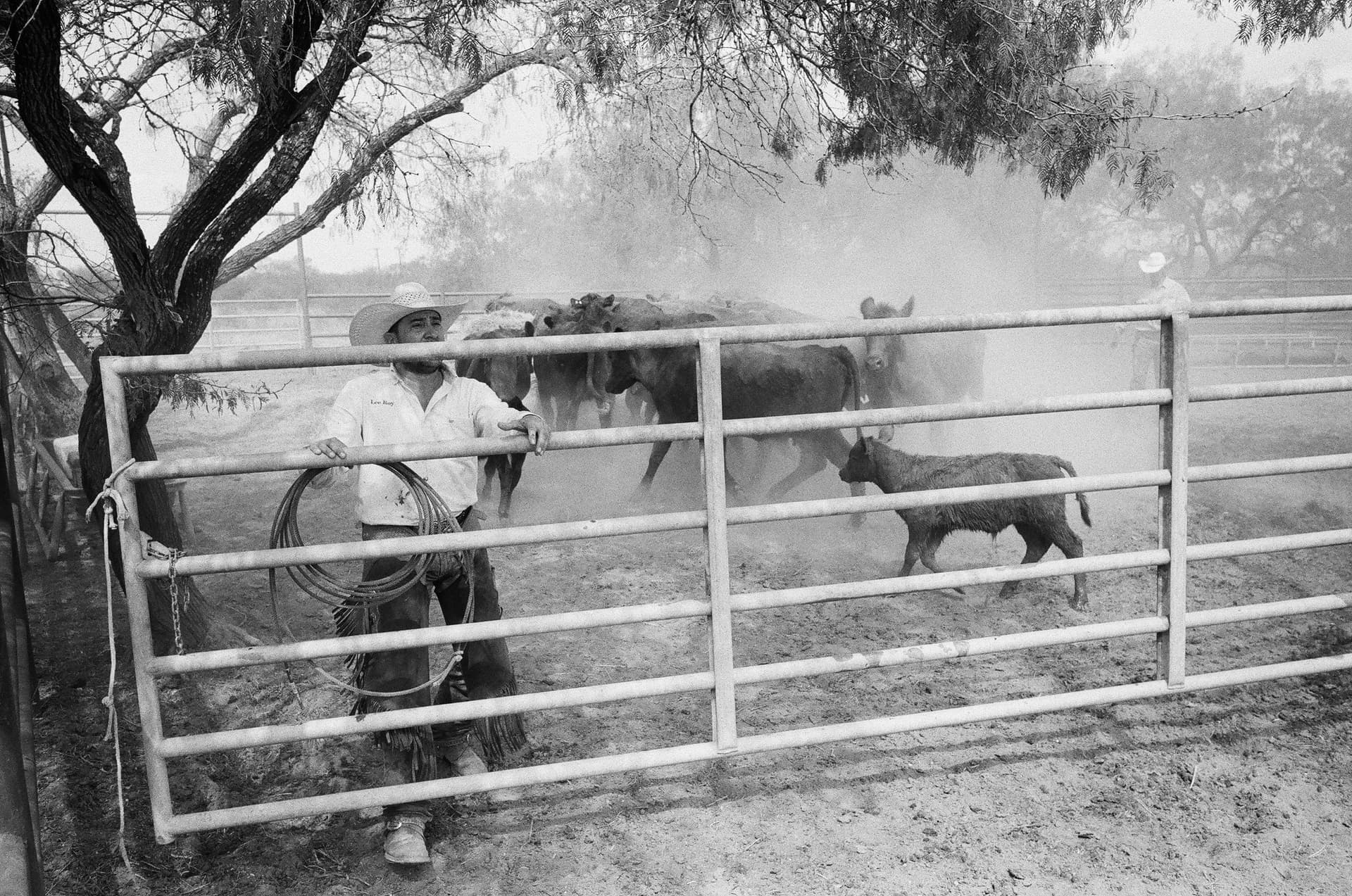
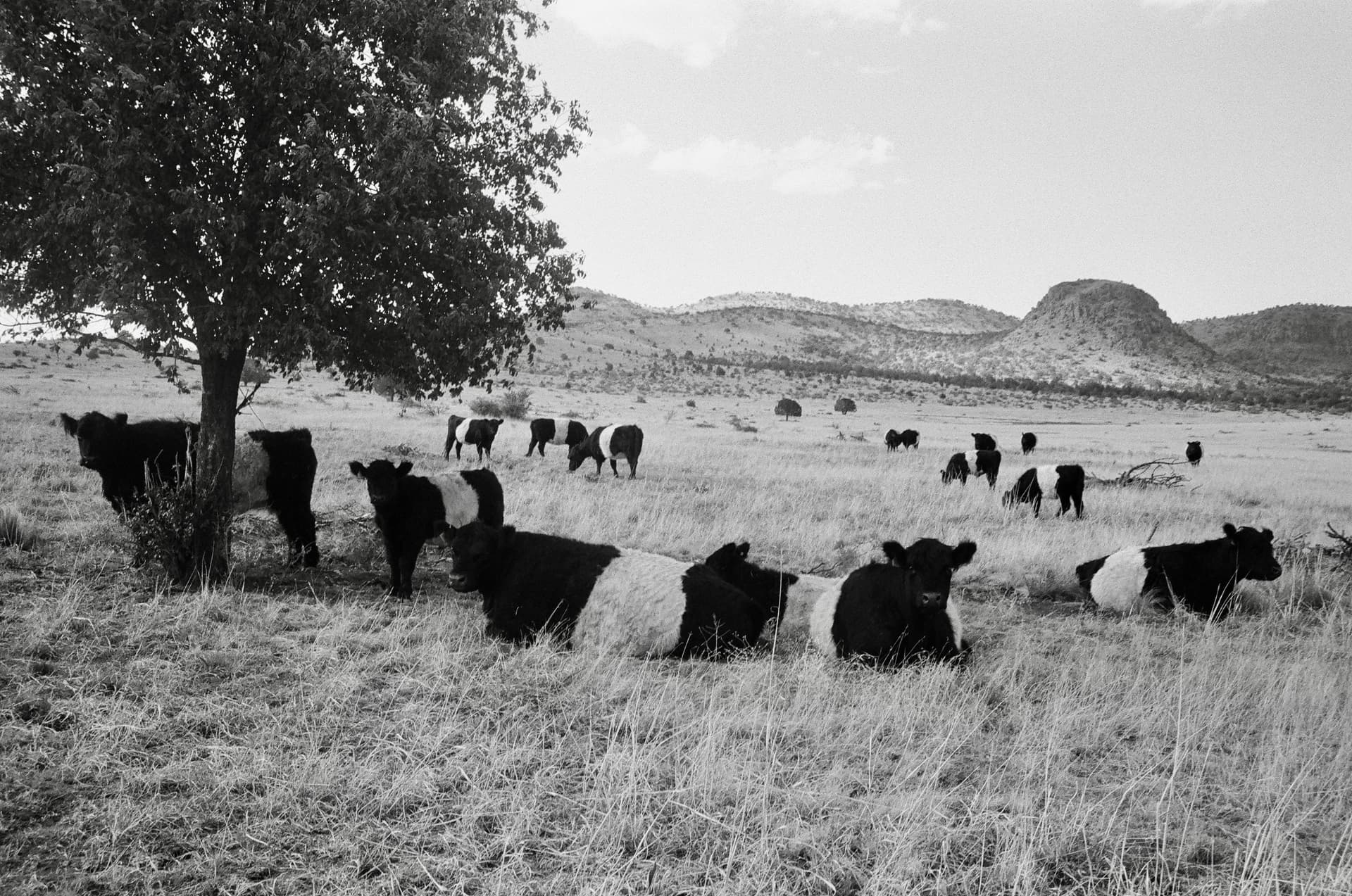
Rahm Carrington is a Texas-based photographer whose work is defined by authenticity, human connection, and an effort to capture life through the filter of his own experiences. We invite you to explore a selection of images from his new photo book Death and Texas alongside our conversation, where Rahm opens up about what photographing ranch life has taught him about presence, distance, and responsibility.
You can follow along with Rahm on instagram and buy a copy of his book.
TXR: What was your connection to ranch culture growing up?
Rahm: I’m a sixth-generation Texan, born and raised in San Antonio. Growing up, I’d been going down to my family’s ranch — the King Ranch — my whole life. But my generation was the first to be born away from the ranch. My mom and all her siblings were raised there — bilingual, riding horses, hunting.
I had plenty of exposure, and I learned how to horseback ride, but being the first generation born in a city… that’s a huge gap in how natural it feels to live that kind of life. It’s been a very slow, long journey of figuring out what that means to me, how I fit into it.
TXR: Tell us about how you learned to work on the ranch.
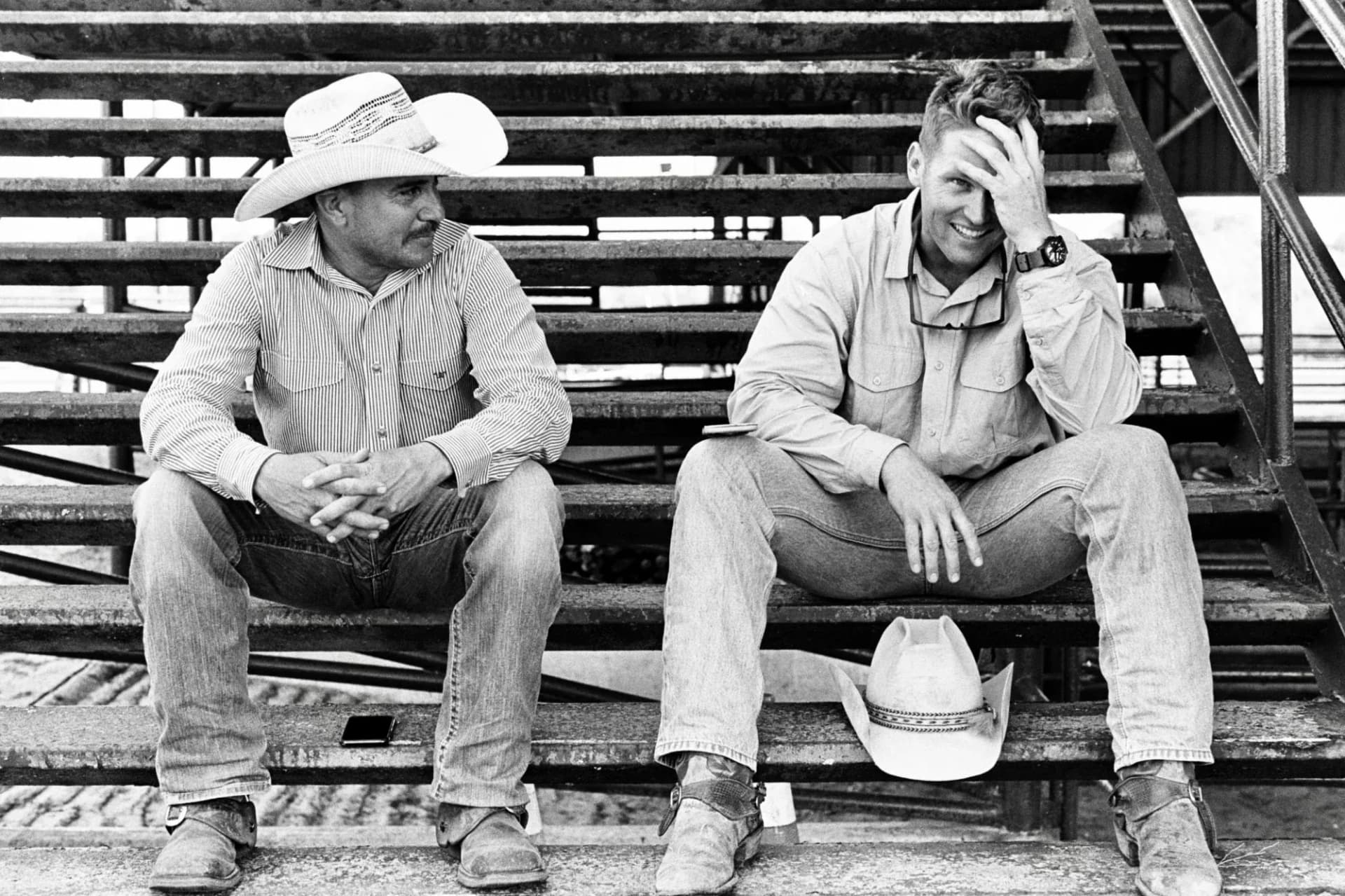
Rahm: Right around middle school, the family encouraged us to go down and work there for summers — kind of like a summer job. A lot of the boys would spend a few weeks with different units: cow-calf, quarter horses, riding along with the cowboys or Kinenos.
But at that age, I didn’t want to be there. I had no desire to be a cowboy. I loved the camaraderie with my cousins, but I didn’t feel like I belonged. Those years were tumultuous — my dad passed away suddenly right before high school — and the only way I was coping was drugs and alcohol. So those summers were just… going through the motions because adults told me that’s what I was supposed to do.
TXR: When did your experience on the Ranch start to shift for you?
Rahm: When I became a photographer. That changed everything.
I got into videography first — traveling, filming musicians, shooting concerts. I learned composition, exposure, visual storytelling. Then someone told me, "Go to the archives on the ranch." I spent a whole day alone in this room pulling down binders, looking through Toni Frissell’s contact sheets and prints.
It felt like I’d found a doorway that was my size. Seeing the ranch through that lens — and even using my grandfather’s old Leica — connected me to my history and let me explore being an artist at the same time.
Once I started taking my cameras down there, it allowed me to have a totally new experience. It had nothing to do with hangups or insecurities. It became exciting.
TXR: How did photography change the way you experienced the ranch?
Rahm: Some of the things I had a tough time with — masculinity, hunting, roundups, castration — all that intense stuff… before photography, I’d just present a version of myself that was "playing ball." It didn’t feel good.
But when I started using that land and heritage to create art, it was the inverse. It became a beautiful, positive, creative thing. I could observe, celebrate, and capture the experience others were having, even if those parts weren’t what I wanted to be doing myself.
Realizing it's all part of the history of Texas, the history of my family, and even humanity — that made me want to spend more time around it and capture it honestly.

"Using my grandfather’s old Leica connected me to my history and let me explore being an artist at the same time."

TXR: You’ve talked about feeling hesitant to show your cowboy work. Why?
Rahm: I put so much pressure on myself. In my head, if I shared the cowboy or Texas stuff, it would create some whole story about me — political or social or whatever. I compartmentalized my interests because I thought people would judge me.
But then this photographer in the rock world — someone massively successful — told me the cowboy work blew his mind. He said he’d stop everything he was doing if he could go shoot that. I had never considered that.
I realized I was putting myself in the middle of some battle I wasn’t even in. And once I started showing it, I saw that a lot of these musicians and artists loved it. Cowboys and musicians have more in common than people think. Cowboys can be kind of punk. There’s a lot of individuality in both worlds.
TXR: Tell us about your new photo book, DEATH and TEXAS.
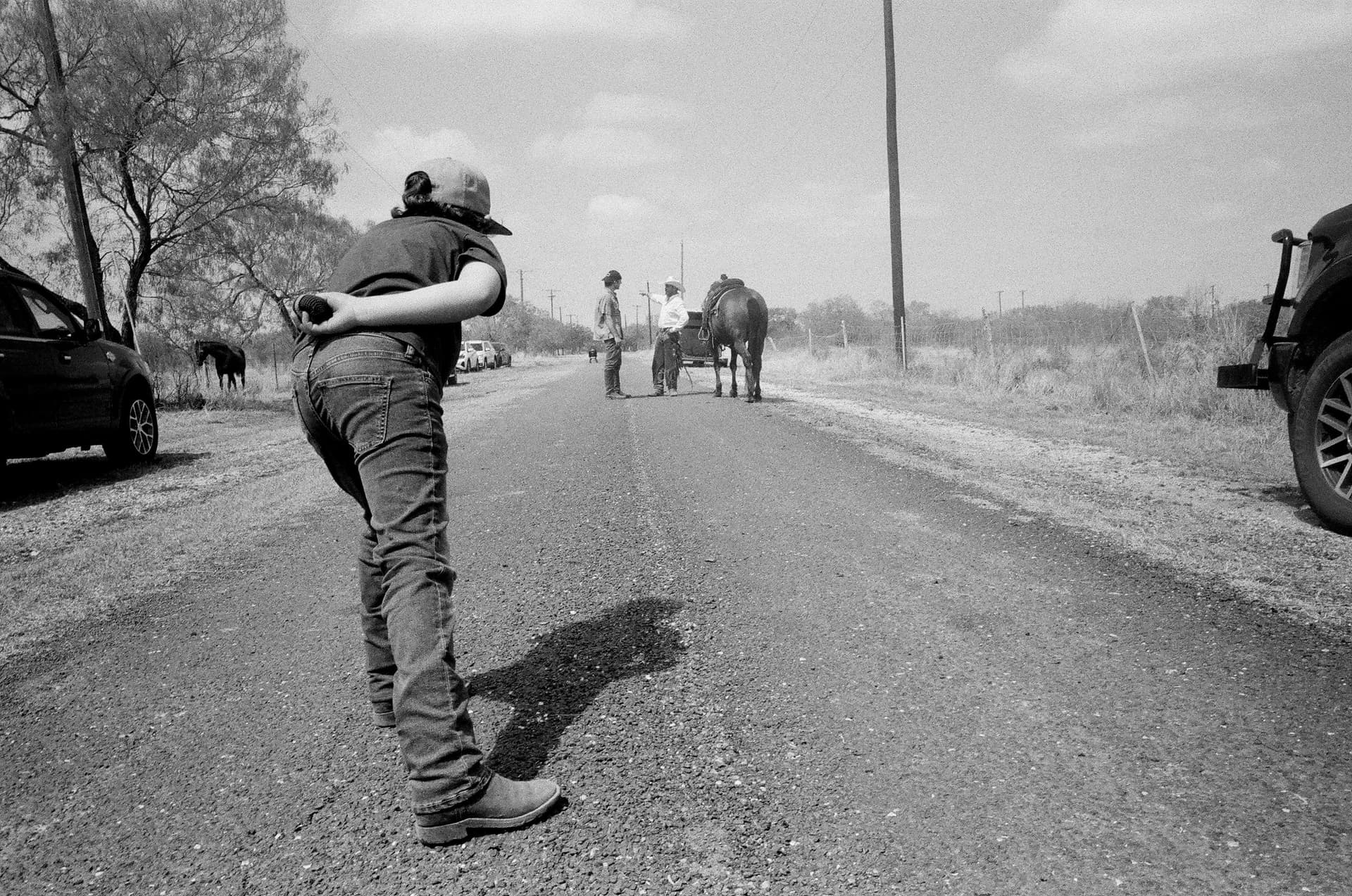
Rahm: It’s about growing up as a Texan, growing up privileged, and becoming painfully aware of all of that. I used to judge myself as if I couldn’t have an authentic human experience because it was "too easy" for me. That kind of self-talk was terrible.
The book wasn’t planned; it was something bubbling up through the experience. I kept seeing this duality — light and shadow. Things being born, things dying, things changing. A horrible season or a disease can wipe something out, and then something new grows.
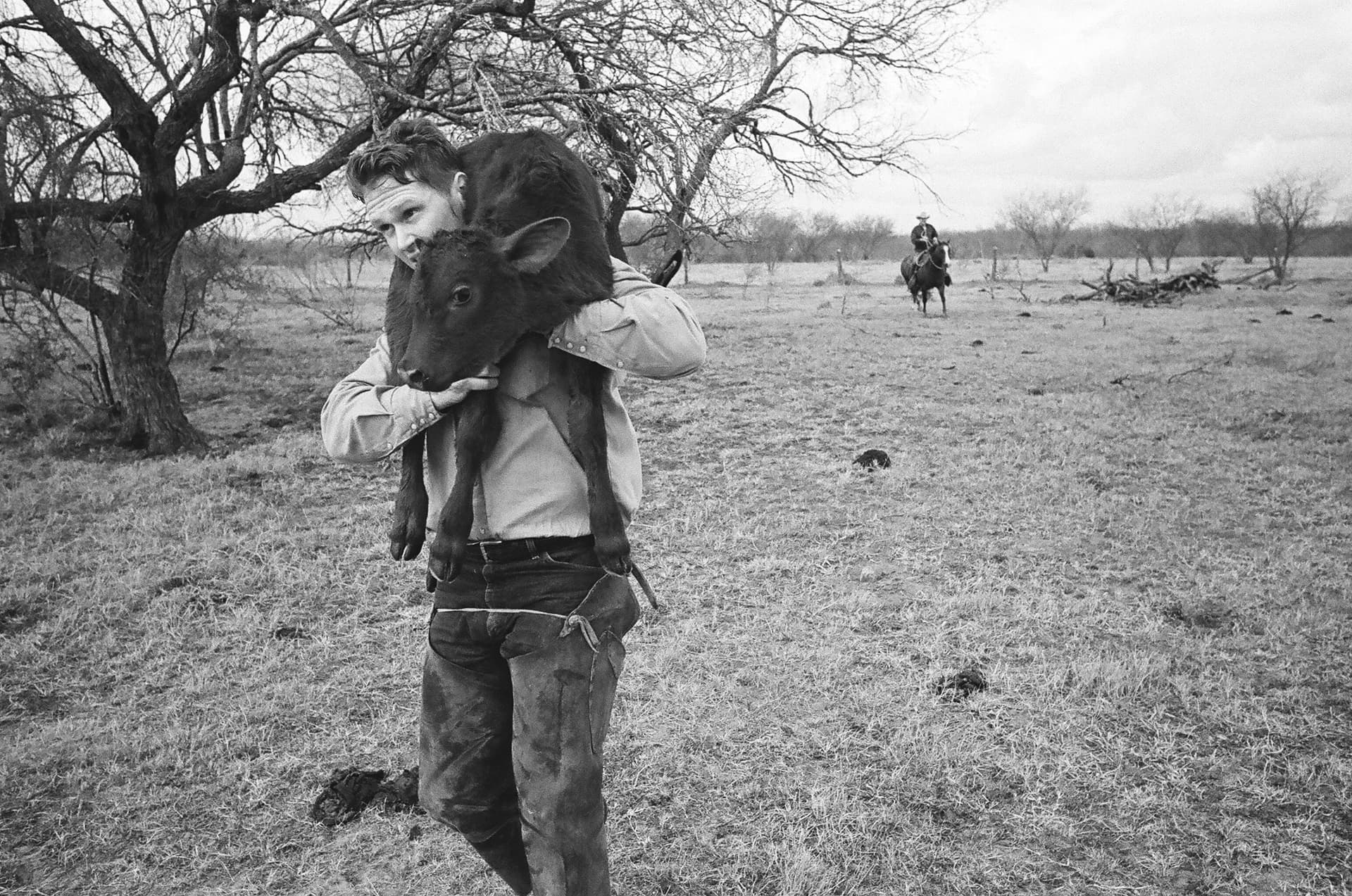
I started to see that in myself too. And capturing it honestly felt like an act of love. There’s a photo in the book of a castration — not because I celebrate the pain, but because I don’t want to pretend it’s anything other than what it is.
Letting the things that hurt hurt, and letting the hope feel hopeful — that’s what made it beautiful.
"Punk, hippie, cowboy — below all that stuff, there’s something aligned: doing things your own way and being connected to something real."
TXR: You’ve said “cowboys are punk.” What do you mean by that?
Rahm: I always had a lot of hippie in me, but I started seeing that these cowboys were more connected to the land — honoring it, letting it dictate their schedule and lifestyle — than any hippie I know.
The idea that city culture and cowboy culture are totally separate… it took me a long time to see how similar they can be at the core. Punk, hippie, cowboy — below all that stuff, there’s something aligned: doing things your own way and being connected to something real.
Just being is punk. And it’s cowboy. And it’s hippie.
TXR: What do you hope people see in your work?
Rahm: I hope they can receive it honestly. I hope they see that this is just a representation of humanity and culture and history. And I hope it gives them space to feel something.
I’ve learned I can’t control how people receive it. All I can do is put it out lovingly. That’s the paradox — the second I stop caring, I actually start receiving the very thing I was trying to get by controlling it.

Explore beyond the story
Browse listings, find businesses, or save this article for later.
 Listings
 Directory
Get the Newsletter
One reported story on Texas land, delivered free every month.
By signing up, you agree to receive emails from Texas Ranches. We never sell your address, and you can unsubscribe anytime.